

Water Heaters in Forney, TX
Water Heaters in Forney, TX: expert diagnosis, repair, and replacement services. Schedule a service today for safe, efficient hot water.
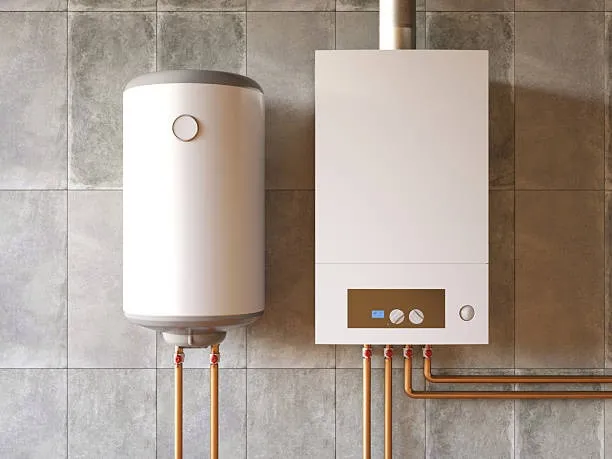

A reliable water heater is essential for daily life in Forney, TX homes. Whether you need a diagnosis for an aging tank, a fast repair, or a full replacement or new tank-style installation, understanding signs of failure, sizing, efficiency options, and maintenance will help you make an informed decision. This page explains common water heater problems in Forney, TX, the options available for tank-style systems, warranty and safety considerations, and what to expect during a replacement.
Why water heater service matters in Forney, TX
Forney and North Texas experience hot summers, occasional freezes, and moderate to hard water in many neighborhoods. Warmer incoming groundwater in summer reduces heating load but increases mineral buildup during the rest of the year. Hard water accelerates sediment accumulation in tanks, reducing efficiency and shortening service life. Seasonal temperature swings also increase the risk of pipe stress and freeze-related issues in uninsulated lines. Timely diagnosis and proper installation tailored to local conditions extend equipment life and improve safety.
Common signs your tank-style water heater needs service
- Reduced hot water supply or lukewarm showers despite thermostat setting.
- Visible leaks at the tank base, piping, or pressure relief valve.
- Rusty or discolored water coming from taps.
- Loud popping, rumbling, or banging noises coming from the tank due to sediment.
- Water heater frequently running or high energy bills.
- Pilot light issues, frequent cycling, or gas odors in gas units.
- Age: most tanks older than 8 to 12 years are at increased risk of failure.
Recognizing these issues early helps avoid emergency replacements and water damage in your home.
Diagnosis and repair for tank-style systems
Diagnosis begins with a systematic inspection:
- Check the temperature setting and thermostat operation.
- Inspect for leaks, corrosion, and physical damage.
- Test the temperature and pressure relief valve and drain valve.
- Evaluate the anode rod condition and sediment level by partial draining.
- For gas heaters, check the pilot, burner, venting, and gas line integrity.
Common repairs include:
- Replacing failed thermostats or heating elements.
- Repairing or replacing leaking valves and fittings.
- Flushing sediment and replacing corroded anode rods.
- Fixing faulty gas controls or ignition systems.
- Repairing venting or combustion air problems.
Repair may be the right choice when the tank is structurally sound and repairs provide a cost-effective life extension. However, frequent or costly repairs, major corrosion, or capacity shortfalls typically indicate replacement is more economical.
Replacement and new tank-style installation options
When replacement is recommended, consider these factors:
- Fuel type: gas or electric tanks remain common and reliable for Forney homes. Gas units provide faster recovery but require proper venting.
- Capacity: Typical residential tank sizes are 30, 40, and 50 gallons. A 40 gallon tank suits most 2 to 3 person homes; larger households or homes with high simultaneous demand may need 50 gallons or greater.
- Efficiency ratings: New high-efficiency tanks have improved insulation, lower standby loss, and better recovery. Look for higher Energy Factor ratings for electric tanks and improved features on gas models.
- Upgrades: Consider insulating cold water lines, adding an expansion tank for closed-loop systems, or installing a tempering valve to reduce scald risk while allowing higher storage temperature for efficiency.
Sizing considerations: calculate peak hour demand (showers, dishwasher, laundry) to select the right tank size. In Forney homes with multiple simultaneous uses, err on the side of a larger tank or faster recovery model.
Warranty and safety information
- Most manufacturers offer 6 to 12 year limited warranties on residential tank heaters. Warranties typically cover the tank and selected components, but can vary by model.
- Warranty validity usually requires proper installation, use of specified parts, and regular maintenance. Improper installation, missing permits, or neglect can void coverage.
- Safety features to verify: functioning temperature and pressure relief valve, properly installed expansion tank if required, secure venting and combustion air for gas units, and correct gas line connections.
- Recommended temperature setting: 120 degrees Fahrenheit balances safety and energy use. Higher settings increase scald risk and energy use.
Recognize carbon monoxide and gas leak indicators for gas systems. Odor or signs of incomplete combustion require immediate professional attention.
Maintenance to extend life and efficiency
Regular maintenance significantly extends a tank water heater lifespan and improves efficiency:
- Annual or semiannual flush to remove sediment, especially in hard water areas.
- Inspect and replace the sacrificial anode rod every 3 to 5 years or when heavily corroded.
- Test the temperature and pressure relief valve annually.
- Check for leaks, rust, and insulation condition around the tank and accessible piping.
- Verify burner and venting operation on gas models and test for proper ignition.
- Consider installing a water softener or sediment filter in homes with high mineral content to reduce buildup.
Routine maintenance prevents noisy tanks, improves recovery, and can delay the need for replacement.
Typical replacement process and timeline
A standard tank swap for a like-for-like unit usually follows these steps:
- Onsite assessment and sizing verification.
- Obtain necessary permits if required by local code.
- Drain and disconnect the old unit, including gas or electrical disconnection and venting removal.
- Prepare the installation site: update fittings, replace flex lines, install an expansion tank if needed, and ensure proper venting.
- Set and secure the new tank, connect water and fuel/electrical lines, and install safety components.
- Fill, purge air, light pilot or power on, and test for leaks, correct operation, and combustion safety.
Timeline: straightforward replacements often take 3 to 6 hours. Complex installations, switching fuel types, significant venting work, or code compliance upgrades can extend the job to a full day or more.
Benefits of timely replacement and proper installation
Replacing an old or failing tank with a properly sized, high-efficiency model reduces energy bills, improves hot water availability, and lowers the risk of leaks and water damage. Professional installation tailored to Forney, TX conditions ensures correct venting, gas safety, and code compliance, while routine maintenance maximizes warranty protection and service life.
FAQs
Q: How long should a tank-style water heater last?
A: Most tank water heaters last 8 to 12 years. Life expectancy shortens with heavy sediment buildup, hard water, or lack of maintenance.
Q: Can a repair extend the life of my water heater?
A: Yes. Replacing elements, thermostats, anode rods, or flushing sediment can add years of reliable service if the tank itself is not corroded.
Q: What size tank do I need for a 4 person household?
A: A 40 to 50 gallon tank is common for a 4 person household. Peak hour demand and simultaneous appliance use determine the right capacity.
Q: How often should I flush my water heater?
A: Flush at least once a year. In hard water areas, consider flushing every 6 months to minimize sediment buildup.
Q: Is 120 degrees a safe water heater setting?
A: Yes. 120 degrees Fahrenheit reduces scald risk and saves energy. Higher settings may be used carefully with a tempering valve to protect household members.

Customer Testimonials

Robert with Macks Plumbing has saved my repair/reno project so much time and money by finding the problems that other plumbers couldn’t. He is easy to work with, direct and honest. Couldn’t recommend him with more confidence.
Quick response, knowledgeable and courteous. Techs that came for water heater made sure everything cleaned up and working properly. Will use Mack's again when I need work in future.
Excellent service. Prompt & professional. Great communication on arrival time and repairs needed. Easy to work with. We will use them again.
Showed before the expected time and both guys were polite, knowledgeable and more than ready to get the job done. I will definitely be using them again and recommending them to everyone I can!

Financing
We make it easy to get the plumbing services you need with flexible financing options through Wisetack, including zero down plans with approved credit.