

Sump Pumps in Forney, TX
Sump pump installation services in Forney, TX ensure basement protection with professional sizing, installation, and backup options. Schedule service today.

Basement and lower-level flooding can cause major damage to your home, create mold problems, and disrupt daily life. In Forney, TX and the surrounding East Texas area, heavy spring and summer storms, flash runoff, and clay soils that hold water make reliable basement flood prevention essential. Proper sump pump installation, timely replacement, and routine maintenance protect living spaces, appliances, and your home’s structure.
Why sump pumps matter in Forney, TX
- Forney sees seasonal heavy rains and occasional storm systems that can overwhelm yard drainage and raise groundwater near foundations.
- Clay-rich soils common in the region shed water slowly and can increase hydrostatic pressure against basements and crawlspaces.
- Power outages during storms make battery backup options critical to ensure pumping continues when you need it most.
Investing in the right sump pump system reduces risk of water damage, mold growth, and costly repairs to finishes, HVAC equipment, and electrical systems.
Common sump pump services and system types
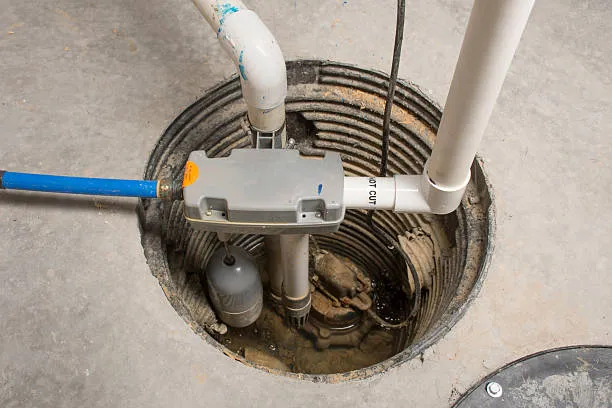
- Sump pump installation - New pits, pump selection, discharge routing, and check valve installation.
- Sump pump replacement - Upgrading worn or undersized pumps to match newer flow and head requirements.
- Battery backup systems - Standby battery or battery-operated backup pumps for power outage protection.
- Dual pump setups - Primary and secondary pumps for redundancy during heavy inflow.
- Pit preparation - Proper basin sizing, gravel bedding, and cover installation to prevent debris and odors.
- Maintenance and testing plans - Regular inspections, cleaning, and performance testing to ensure reliability.
Pump sizing and selection explained
Selecting the proper pump is about two factors: flow rate and head (the vertical distance water must be lifted).
- Flow rate is measured in gallons per minute or gallons per hour. Homes with larger basements or higher inflow need higher flow rates.
- Total dynamic head includes the vertical lift plus friction losses in the discharge line. A pump must be sized to meet the expected head at the required flow.
Common choices:
- Submersible pumps sit in the pit, run quieter, and handle solids better for most basement applications.
- Pedestal pumps keep the motor above water and are easier to service but can be noisier and less suited for heavy debris.
A professional assessment will estimate peak inflow from local rainfall patterns and soil conditions to recommend the correct pump model and horsepower.
Pit preparation and installation steps
- Inspect and locate the best spot for the pit to collect drainage from floor drains, window wells, and perimeter drains.
- Excavate and install a properly sized basin with a gravel base and level seating.
- Install the pump pad or mount and connect the pump to a properly rated discharge pipe with a check valve to prevent backflow.
- Route discharge piping to a safe outlet point away from the foundation, using correct piping slope and freeze protection where needed.
- Install float switch assemblies or electronic sensors and test operation through full cycles.
- If applicable, wire battery backup and alarm systems to meet local electrical codes and ensure reliable operation during outages.
Battery backup and redundancy
Storm-related power loss is one of the most frequent reasons for sump pump failure. Backup options include:
- Battery backup pumps that run independently of house power for 8-24 hours depending on battery capacity and pump load.
- Battery-backed float systems that automatically switch to backup when AC power fails.
- Dual pump systems with two pumps in the same pit or separate pits so a secondary pump activates when inflow exceeds primary capacity or if the primary fails.
In Forney, TX, where storms can knock out power for hours, battery backup or dual systems are recommended for homes with finished basements or valuable equipment in lower levels.
Routine testing and maintenance schedule
- Monthly: Visual inspection of the pit, check for debris, verify float moves freely, and run the pump briefly to confirm operation.
- Quarterly: Inspect discharge line for clogs, ensure the check valve works, and clear any sediment from the basin.
- Annually: Full service including removing the pump for cleaning, testing run time under load, inspecting motor and seals, and testing battery backup performance.
Signs you need immediate service: pump runs continuously, cycles on and off rapidly, emits strange noises, or fails to start during a test.
Troubleshooting common failure scenarios
- Power loss: Verify outlet and breaker, then test with known good power source. If pump won’t start under power but runs on bench test, motor or wiring may be faulty.
- Stuck or jammed float: Debris, pit ladder rungs, or tight installation can prevent float travel. Clear the pit and adjust float position.
- Clogged intake: Sediment or small debris can block the impeller. Remove pump and clear intake screen and impeller.
- Frozen discharge line: In rare cold snaps, outdoor discharge lines can freeze. Insulate or reroute piping, provide slope to drain, and consider heat tape.
- Undersized pump: If water rises faster than pump can move it, upgrade to a higher flow model or add a secondary pump.
- Check valve failure: A failed check valve causes pump to short-cycle or run longer. Replace with a properly sized, low-restriction check valve.
Benefits of professional installation and regular maintenance
- Proper sizing and installation reduces premature motor wear, lowers utility usage, and prevents unnecessary replacements.
- Professional pit prep and discharge routing prevent foundation erosion and reduce the risk of concealed clogs.
- Scheduled maintenance extends system life and provides peace of mind before storm seasons.
- Redundancy and battery backups tailored to local conditions protect your home during Forney’s most severe weather.
Q: How often should I test my sump pump?
A: Test the pump monthly by running a full cycle, and perform a comprehensive inspection and service annually.
Q: Do I need a battery backup in Forney, TX?
A: Battery backup is strongly recommended due to storm-related power outages common in the region; it provides critical operation during extended outages.
Q: How long does professional sump pump installation take?
A: Typical installation ranges from a few hours for a direct swap to a full day when adding new pits, routing discharge lines, or installing backup systems.
Q: What causes my pump to run constantly?
A: Common causes are a stuck float, undersized pump, failed check valve, or continuous inflow exceeding pump capacity.
Q: Can a sump pump prevent mold?
A: Properly installed and maintained sump pumps reduce prolonged moisture exposure, which significantly lowers the risk of mold growth in basements and crawlspaces.

Customer Testimonials

Robert with Macks Plumbing has saved my repair/reno project so much time and money by finding the problems that other plumbers couldn’t. He is easy to work with, direct and honest. Couldn’t recommend him with more confidence.
Quick response, knowledgeable and courteous. Techs that came for water heater made sure everything cleaned up and working properly. Will use Mack's again when I need work in future.
Excellent service. Prompt & professional. Great communication on arrival time and repairs needed. Easy to work with. We will use them again.
Showed before the expected time and both guys were polite, knowledgeable and more than ready to get the job done. I will definitely be using them again and recommending them to everyone I can!

Financing
We make it easy to get the plumbing services you need with flexible financing options through Wisetack, including zero down plans with approved credit.