

Tankless in Forney, TX
Tankless water heater installation in Forney, TX. Get expert sizing, professional setup, and fast service. Schedule your installation today.
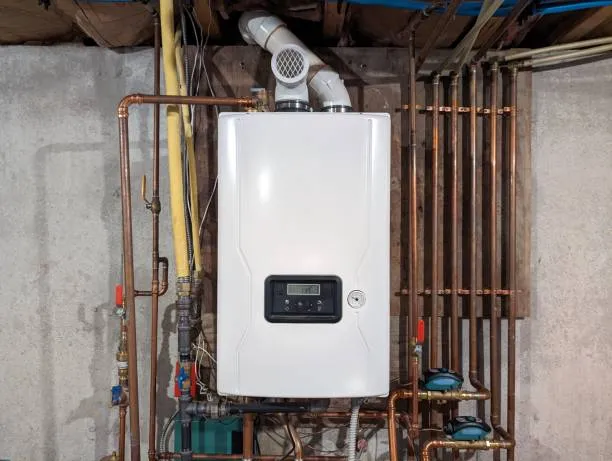

Tankless water heaters are a high-efficiency alternative to traditional storage tanks for Forney, TX homes. They heat water only when you need it, reducing standby heat loss and often lowering monthly energy costs. For homeowners deciding whether to upgrade, the key questions are sizing, fuel choice, installation requirements, maintenance needs—especially in North Texas’ hard water—and realistic expectations for energy savings and reliability.
Why tankless makes sense in Forney, TX
- Local climate and usage: Hot Texas summers and year-round active households increase demand for hot water for showers, laundry, and outdoor needs. Tankless systems deliver continuous hot water rather than limited tank capacity.
- Water quality: Much of the Dallas-Fort Worth area has moderately hard water. Mineral buildup is a primary cause of tankless performance decline, so maintenance planning is essential.
- Space and lifespan: Tankless units are compact, freeing utility room or garage space. Properly maintained tankless heaters commonly last 15–20 years, longer than most storage tanks.
Common tankless system types and issues
- Gas-fired (natural gas or propane) condensing and non-condensing units
- Electric tankless units for smaller point-of-use or whole-home systems
- Point-of-use small units for single fixtures vs whole-home, higher-capacity units
Common issues homeowners experience:
- Scale and mineral buildup reducing flow and heat exchange efficiency
- Insufficient capacity for simultaneous demands (multiple showers + dishwasher)
- Venting, combustion, or electrical supply problems after replacement or retrofit
- Error codes related to sensors, flow switches, or ignition
Sizing and fuel options explained
Sizing a tankless system is about flow rate and temperature rise, not tank volume.
- Flow rate: Add up expected simultaneous fixture flow rates in gallons per minute (GPM). Typical shower ~1.5–2.5 GPM, dishwasher 1–2 GPM, laundry 2–3 GPM.
- Temperature rise: Subtract incoming groundwater temperature from your desired output. In Forney, incoming water averages moderate temps, but winter lows reduce inlet temperature and increase required rise.
Choose fuel based on existing infrastructure and cost:
- Natural gas/propane: Best for whole-home units and high flow applications. Condensing gas units capture more heat from flue gases and are more efficient but require corrosion-resistant venting and condensate drainage.
- Electric: Easier to install in homes without gas but can require substantial electrical service upgrades for whole-house units—best for point-of-use or smaller homes.
- Hybrid considerations: Some households use a mix (electric point-of-use for remote bathrooms and a central gas unit for the main load).
Professional installation steps (what to expect)
A professional install protects performance and safety and typically includes:
- Site evaluation: Verify flow requirements, inlet water temperature, venting options, fuel availability, and space constraints.
- Permits and code compliance: Secure required permits and ensure installation meets local plumbing, gas, and electrical codes.
- Fuel and electrical connections: Install or upgrade gas lines or electrical service; sized correctly for the unit’s demand.
- Venting and condensate: Install proper venting for gas units and a condensate disposal solution for condensing models.
- Water connections and pressure controls: Install isolation valves, temperature/pressure relief where required, and a sediment filter or water softening tie-in if recommended.
- Commissioning and testing: Run the system through multiple loads, check for leaks, verify combustion and venting, and review operational settings.
Maintenance: descaling, flushing, and water treatment
Because Forney area water often contains minerals, preventative maintenance is crucial.
- Descaling and flushing: Recommended every 6–12 months for hard water areas, or more often with very high mineral content. The process removes scale from the heat exchanger and restores efficiency.
- Filters and softeners: A sediment filter upstream prevents particulate damage. A water softener significantly reduces descaling frequency and extends system life.
- Annual checkup: A qualified technician should inspect combustion, venting, electrical connections, and replace sacrificial anodes or filters where applicable.
Common repairs and troubleshooting
- Ignition failure: Often caused by gas supply issues, blocked vents, or a faulty igniter.
- Reduced hot water flow or temperature: Usually due to scale buildup restricting heat transfer or a clogged inlet filter.
- Error codes and sensor failures: Electronic controls are sensitive; corrosion or wiring issues may lead to diagnostic codes requiring professional diagnostics.
- Leaks at fittings or heat exchanger: May need gasket replacement or component repair depending on severity.
Energy savings expectations
Tankless units are more efficient than conventional tanks because they eliminate standby losses. Typical benefits:
- Energy use reduction varies with household profile—commonly 20–35% energy savings for homes with average hot water use patterns.
- Longer lifespan and fewer replacement cycles can improve lifecycle costs.
- Savings are lower for homes with heavy simultaneous demand if the system is undersized; correct sizing is essential to realize expected savings.
Rebates and financing eligibility
Energy-efficient tankless units may qualify for federal tax credits, state or utility rebates, and local incentive programs. Eligibility often depends on the unit’s efficiency rating and installation specifics (e.g., ENERGY STAR qualified units). Many homeowners also use local financing options or contractor-offered financing to spread upgrade costs over time. Verify current incentive programs and required documentation before purchase.
Long-term benefits and practical tips
- Plan for routine descaling and consider a water softener in Forney’s mineral-prone water to protect performance.
- Match unit capacity to real household demand, not just a single fixture.
- Factor installation complexity—venting, gas line sizing, or electrical upgrades—into your decision.
- Expect quieter operation, more space, and steady hot water for most residential needs when a properly sized, professionally installed tankless system is used.
FAQs
Q: How often should a tankless water heater be descaled in Forney, TX?
A: For Forney area water, descaling every 6–12 months is common; homes with a water softener may extend to 12 months or longer depending on mineral content.
Q: Can a tankless unit supply multiple showers at once?
A: Yes, if properly sized. You need to total the GPM for simultaneous fixtures and select a unit with sufficient flow rate and temperature rise capacity.
Q: Are tankless water heaters compatible with existing gas lines?
A: Sometimes. Many homes need gas line upsizing for high-demand units; a professional will evaluate gas pressure, line size, and meter capacity during the site survey.
Q: Will installing a tankless unit reduce my energy bill?
A: Most homeowners see 20–35% energy savings compared to traditional tanks, depending on household hot water usage and how well the system is sized and maintained.
Q: Do electric tankless heaters require panel upgrades?
A: Often yes for whole-home electric units. Point-of-use electric models usually work on existing circuits, but whole-home units can require significant electrical service and breaker upgrades.

Customer Testimonials

Robert with Macks Plumbing has saved my repair/reno project so much time and money by finding the problems that other plumbers couldn’t. He is easy to work with, direct and honest. Couldn’t recommend him with more confidence.
Quick response, knowledgeable and courteous. Techs that came for water heater made sure everything cleaned up and working properly. Will use Mack's again when I need work in future.
Excellent service. Prompt & professional. Great communication on arrival time and repairs needed. Easy to work with. We will use them again.
Showed before the expected time and both guys were polite, knowledgeable and more than ready to get the job done. I will definitely be using them again and recommending them to everyone I can!

Financing
We make it easy to get the plumbing services you need with flexible financing options through Wisetack, including zero down plans with approved credit.