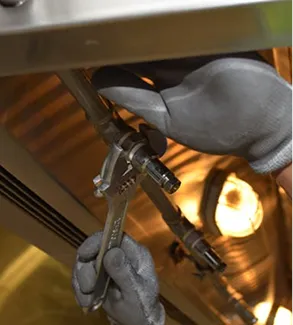


Plumbing in Forney, TX
Plumbing services Forney TX offer diagnostics, repairs, leak detection, and preventative maintenance. Learn more and schedule service for reliable, local plumbing protection today.
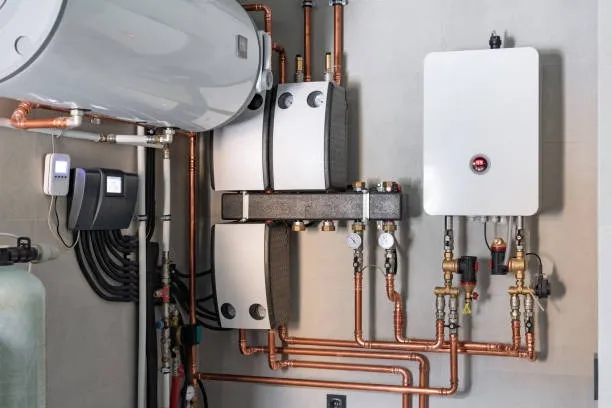

Plumbing problems disrupt daily life and can cause major property damage if not handled quickly and correctly. Forney, TX homes face a unique mix of challenges — hot, mineral-rich water in summer, occasional freeze events in winter, and aging sewer lines in established neighborhoods. This page outlines the full range of residential plumbing services, how diagnostics and repairs are performed, what to expect during a service visit, and practical prevention steps to protect your plumbing system long term.
Common plumbing issues in Forney, TX homes
- Leaky pipes and fixtures: Corrosion, shifting soil, and worn seals lead to persistent drips and hidden leaks that increase water bills and risk mold.
- Slow or clogged drains: Hair, soap scum, grease, and mineral scale build up in bathroom and kitchen drains. Tree roots and collapsed lines can cause sewer backups.
- Water heater problems: Sediment buildup, failing thermostats, and leaks reduce efficiency and shorten tank life. Gas and electric models, plus tankless systems, each have distinct failure modes.
- Low water pressure: Mineral scale in pipes, failing pressure regulators, or hidden leaks commonly reduce flow in older DFW-area plumbing.
- Gas leaks and odor concerns: Damaged gas lines, poor fittings, or appliance issues require immediate diagnosis and safe repair.
- Frozen or burst pipes: Though rare, North Texas cold snaps can freeze exposed pipes, causing splits when they thaw.
Residential plumbing services offered
- Leak detection and repair (visible and hidden leaks)
- Drain cleaning: snaking, root removal, and hydro-jetting
- Pipe and sewer repair: spot repair, repiping, and trenchless pipe replacement
- Fixture installation and replacement: faucets, sinks, toilets, disposals
- Water heater services: maintenance, repairs, tank and tankless installations
- Gas line inspection and repair
- Emergency plumbing repairs for after-hours failures
- Preventative maintenance plans: annual inspections, water heater flushing, and drain care
How diagnostics work — clear, methodical, accurate
Accurate diagnosis is the first step to a durable repair. The process typically includes:
- Visual inspection of fixtures, exposed piping, and meter reading for unusual flow.
- Targeted leak detection using acoustic listening devices and moisture meters to find hidden leaks behind walls or under slabs.
- Pressure testing to isolate section failures in water and gas lines.
- Camera inspection of sewer and main lines to detect blockages, root intrusion, cracks, or bellied sections.
- Water quality and hardness testing when scale or sediment is suspected.
Diagnostics are documented and the technician explains findings and reasonable repair options in plain language, including expected timelines and typical outcomes.
Typical repairs and solutions explained
- Leak repair: Small leaks at fittings are often corrected with new fittings or seals. Corroded sections may require partial repipe. For slab leaks, methods include slab patching, rerouting, or trenchless line replacement depending on access and cost-effectiveness.
- Drain cleaning: Mechanical snaking removes blockages; hydro-jetting clears grease, scale, and roots inside the line for longer-lasting results. Camera verification ensures the line is fully cleared.
- Sewer and pipe work: Options range from targeted repairs to full repiping. Trenchless pipe lining is a less invasive option for many mainline failures, reducing landscaping disruption.
- Fixture installation: Replacements include water-efficient fixtures and improved hardware to prevent future leaks and improve performance. Installations follow code and include pressure testing.
- Water heater services: Flushing tanks removes sediment to restore efficiency. Thermostat, dip tube, or element replacements are common repairs. Tankless systems receive descaling and burner checks to maintain capacity.
- Gas work: Repairs start with isolation and pressure testing, followed by secure reconnection and appliance testing to meet safety standards.
Emergency repairs, timing, and cleanup expectations
Emergency plumbing situations are evaluated immediately to stop damage, then stabilized with a clear repair plan. For typical residential jobs:
- Initial diagnosis often completed within the first hour of arrival.
- Minor repairs (faucet, valve, small leak) commonly completed the same visit.
- Larger jobs (repipes, sewer replacements, major water heater replacements) require scheduling and may take one to several days depending on complexity and parts.
Technicians arrive prepared to protect flooring and landscaping, and leave the work area clean. Clear timelines and post-service care instructions are provided.
Warranties, credentials, and peace of mind
Licensed and insured plumbing professionals help protect your home and ensure work meets local codes. Many residential plumbing services come with labor warranties and manufacturer warranties for parts and equipment; warranty length varies by job and product. Written service summaries and warranty information are provided after each job so homeowners understand coverage and next steps if issues recur.
Financing and scheduling realities
Major repairs and replacements are often eligible for financing to spread cost over time. Common options include short-term programs and multi-month plans with predictable payments. Scheduling typically includes an arrival window, a clear scope estimate up front, and transparent communication about parts lead times for larger projects. Expect a technician to walk through the proposed work, explain tradeoffs between repair and replacement, and outline maintenance steps to avoid repeat issues.
Preventative maintenance to minimize emergencies
- Annual plumbing inspection to catch small leaks and failing components early.
- Flush water heater annually to reduce sediment and extend service life.
- Use hair traps and avoid pouring grease down kitchen drains to limit clogs.
- Test outdoor hose bibs and insulate exposed pipes before winter to prevent freeze damage.
- Consider water softening if hard water is causing scale buildup.
Q: How do professionals find hidden leaks under slabs?
A: Acoustic listening equipment, thermal imaging, and pressure testing help pinpoint slab leaks with minimal invasive work, often followed by targeted repairs or trenchless rerouting.
Q: When should a water heater be replaced instead of repaired?
A: Typical tank water heaters last 8 to 12 years. Consider replacement when corrosion, repeated failures, or major leaks occur, or when efficiency improvements and long-term reliability are priorities.
Q: What is hydro-jetting and is it safe for older pipes?
A: Hydro-jetting uses high-pressure water to clear scale, grease, and roots. It is safe when performed by a trained technician who assesses pipe condition first; weakened pipes may require camera inspection and alternative methods.
Q: Will plumbing repairs require permits?
A: Many larger repairs, such as gas line work, significant repiping, or water heater replacements, require local permits to ensure code compliance. Licensed professionals typically handle permit submission and inspections.

Customer Testimonials

Robert with Macks Plumbing has saved my repair/reno project so much time and money by finding the problems that other plumbers couldn’t. He is easy to work with, direct and honest. Couldn’t recommend him with more confidence.
Quick response, knowledgeable and courteous. Techs that came for water heater made sure everything cleaned up and working properly. Will use Mack's again when I need work in future.
Excellent service. Prompt & professional. Great communication on arrival time and repairs needed. Easy to work with. We will use them again.
Showed before the expected time and both guys were polite, knowledgeable and more than ready to get the job done. I will definitely be using them again and recommending them to everyone I can!

Financing
We make it easy to get the plumbing services you need with flexible financing options through Wisetack, including zero down plans with approved credit.