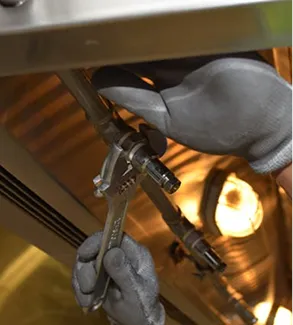


Water Heater Replacement in Rosser, TX
Replace your water heater in Rosser, TX with expert installation—evaluate costs and warranties; schedule service today; learn more.
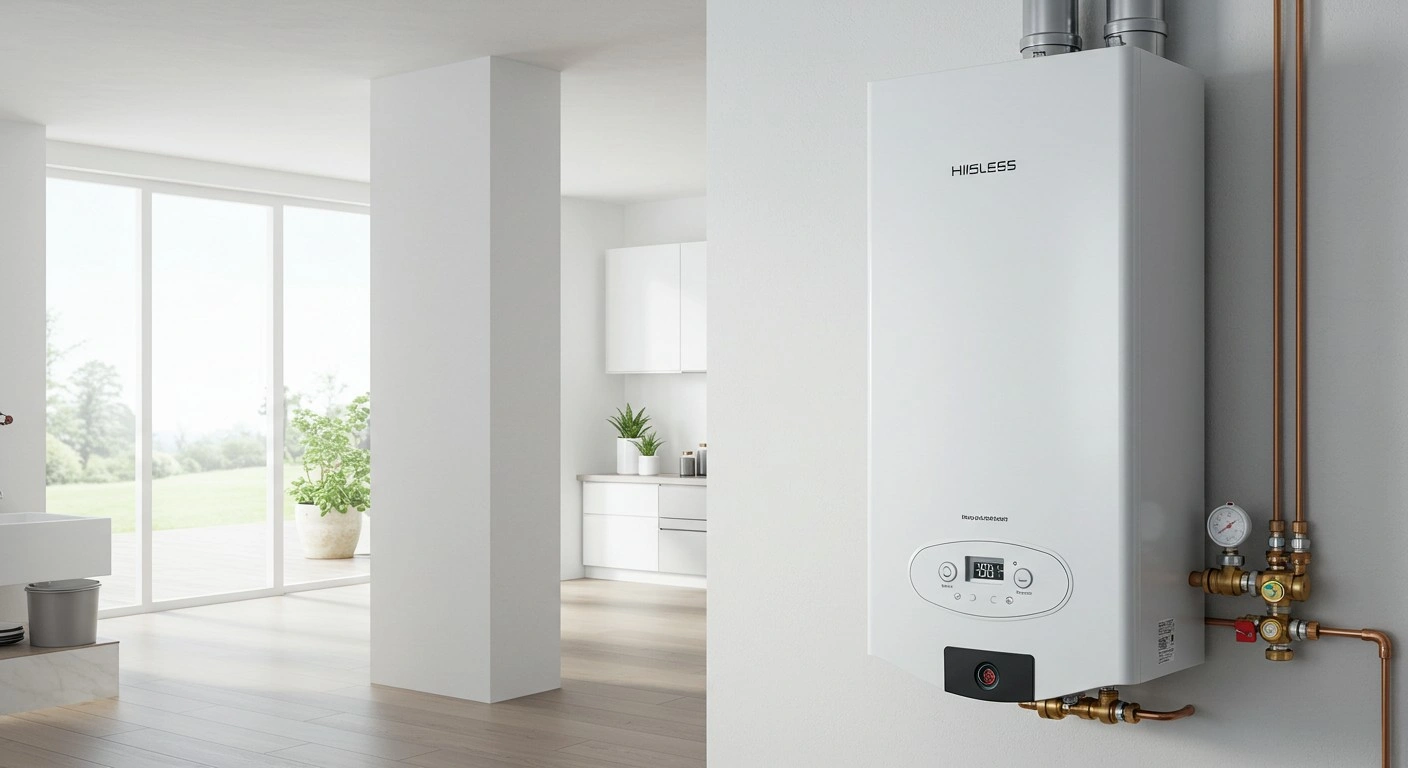

Water Heater Replacement in Rosser, TX
Replacing a worn or failing water heater is one of the most impactful home upgrades you can make for comfort, safety, and long-term savings. In Rosser, TX, where hot summers and mineral-rich water put steady demand on water heaters, timely replacement avoids sudden cold-showers, costly water damage, and inefficient energy use.
Signs it’s time to replace your water heater
Look for these common replacement indicators rather than temporary repairs:
- Age: most tank water heaters last 8–12 years; frequent repairs after year eight suggest replacement.
- Rusty or discolored hot water: internal corrosion often means the tank is failing.
- Rumbling or banging noises: sediment buildup from mineral-laden water reduces efficiency and damages the tank.
- Leaks or pooling around the base: any leak from the tank is a clear sign the unit must be replaced.
- Inconsistent hot water or long recovery times: worn heating elements or burners reduce performance.
- Increased energy bills: an old, inefficient unit can raise monthly utility costs.
- Safety concerns: for gas units, frequent pilot outages, yellow burner flames, or suspected CO issues require attention.
Homes in Rosser often face hard water and higher seasonal usage; both accelerate sediment buildup and wear. If you experience any of the above, evaluating replacement now reduces the risk of water damage to flooring, walls, and foundations.
Evaluation and recommending the right new unit
A thorough evaluation considers your home’s supply, usage patterns, and installation constraints:
- Fuel source: natural gas, propane, or electric availability affects unit type and operating cost.
- Household demand: number of occupants and simultaneous hot-water needs determine tank size or tankless flow rate.
- Space and venting: tank models need footprint clearance; tankless and high-efficiency models may require upgraded venting or electrical service.
- Water quality: hard water suggests adding a water softener or choosing models with easier maintenance (replaceable anode rods, larger drains).
- Long-term goals: if you want lower energy use, look at high-efficiency storage tanks, tankless systems, or heat pump (hybrid) water heaters.
Common recommendations for Rosser homes:
- Standard storage tanks (40–80 gallon) for families with high simultaneous demand.
- Tankless (on-demand) systems for continuous hot water, smaller footprint, and lower standby losses; best when household hot water use is staggered.
- Heat pump (hybrid) models in suitable locations (unconditioned but temperate space) for excellent efficiency in Texas’ warm climate.
Removal and disposal of the old system
Proper removal protects your home and the environment:
- Pre-inspection and shutoff: isolate water, power, and gas as appropriate and drain the old tank safely.
- Safe handling: tanks can be heavy and contain hazardous residues; professionals use the right tools and tie-offs.
- Disposal and recycling: local regulations in Kaufman County and Rosser require proper disposal of refrigerants, oils, and metal. Tanks are typically recycled; gas components are handled per code.
- Permit and documentation: many municipalities require a permit and inspection for replacements; proper paperwork ensures code compliance.
Efficiency comparison and expected cost savings
Upgrading gives immediate and ongoing benefits:
- New storage tanks have higher uniform energy factors (UEF) than older models; replacing a decade-old unit often reduces energy use substantially.
- Tankless and heat pump models cut standby losses and can improve overall water heating efficiency by significant percentages depending on usage patterns.
- Savings depend on fuel type, local utility rates, and household habits. In Rosser, with relatively high hot-water usage in summer (laundry, pool showers), efficiency gains can be meaningful—especially when paired with water-saving fixtures and regular maintenance.
Rather than focusing on sticker price alone, evaluate lifecycle cost: initial investment, expected energy use, maintenance needs, and warranty coverage. A higher-efficiency model often pays back over time through lower monthly utility bills.
Installation steps and what to expect
A professional replacement follows a clear sequence to ensure safety and reliability:
- Pre-install inspection: verify fuel source, venting, clearance, water connections, and permit needs.
- System shutdown and drain: disconnect power/gas, close water supply, and drain the old tank.
- Removal and disposal: remove the old unit per code and site conditions.
- Rough-in and upgrades: install new venting, gas line upsizes, electrical circuits, or expansion tanks if required.
- Mounting and connections: set the new water heater, connect plumbing and fuel, install T&P valve and, if needed, an expansion tank and pressure relief fittings.
- Tests and commissioning: pressure test water lines, check gas tightness, ignite burners or power on elements, and verify temperature/pressure operation.
- Final inspection and documentation: ensure code compliance, fill out permit sign-offs where required, and explain safe operation and maintenance basics.
Expect technicians to leave the area clean and to review the new unit’s features and warranty terms with you.
Typical schedule and what affects timing
- Standard like-for-like tank replacement: commonly completed in a single half-day (2–6 hours) for accessible installations.
- Tankless or conversions (electric to gas, venting upgrades): often require more time and may take a full day or more because of venting, gas line, or electrical upgrades.
- Permits and inspections: municipal inspections can add scheduling lead time depending on local workload.
- Retrofits and complications: restricted access, corroded fittings, or older homes needing code upgrades extend time.
Timeline is driven by complexity, required upgrades, and inspection schedules in Rosser and Kaufman County.
Warranty and maintenance expectations
- Manufacturer warranty: new units include varying manufacturer warranties for parts and tanks; read terms for coverage length and conditions.
- Labor warranty: professional installation typically includes a workmanship warranty for a defined period; confirm what’s covered.
- Routine maintenance: annual or semi-annual checks extend service life—key tasks include flushing sediment from tanks, inspecting and testing the T&P valve, checking anode rods, and verifying burner/electrical performance.
- Hard-water considerations: Rosser homes often benefit from more frequent flushing and anode inspections; consider a water treatment solution to protect the new unit.
Replacing your water heater proactively protects your home from leaks and restores dependable hot water. The right unit for a Rosser home balances fuel availability, household demand, efficiency goals, and the region’s water conditions. With thoughtful evaluation, proper removal, code-compliant installation, and routine maintenance, a new water heater delivers reliable comfort and savings for years.

Customer Testimonials

Robert with Macks Plumbing has saved my repair/reno project so much time and money by finding the problems that other plumbers couldn’t. He is easy to work with, direct and honest. Couldn’t recommend him with more confidence.
Quick response, knowledgeable and courteous. Techs that came for water heater made sure everything cleaned up and working properly. Will use Mack's again when I need work in future.
Excellent service. Prompt & professional. Great communication on arrival time and repairs needed. Easy to work with. We will use them again.
Showed before the expected time and both guys were polite, knowledgeable and more than ready to get the job done. I will definitely be using them again and recommending them to everyone I can!

Financing
We make it easy to get the plumbing services you need with flexible financing options through Wisetack, including zero down plans with approved credit.