

Water Heater Installation in Rosser, TX
Water heater installation in Rosser, TX with expert sizing and code-compliant service. Learn more and schedule your installation today.

Water Heater Installation in Rosser, TX
When your water heater fails or you decide it is time for an upgrade, a professional, code‑compliant installation protects your home, improves energy efficiency, and restores reliable hot water quickly. Water heater installation in Rosser, TX requires the right sizing, fuel‑type decision, and attention to local conditions like hard water and Texas heat that affect equipment longevity and performance. Below is a clear, expert guide to the installation process, common options, and what to expect during and after a professional install.
Why a proper installation matters in Rosser, TX
- Reliability: Older or improperly sized units lead to cold showers, short recovery times, and premature failure.
- Safety and code compliance: Gas and electrical connections, venting, and pressure relief components must meet local codes and inspection requirements.
- Energy costs: Choosing the right fuel type and efficiency level reduces monthly utility expenses—especially important in North Texas where both electric and gas usage can be high seasonally.
- Hard water protection: Hard water common in the North Texas region increases sediment buildup in tanks and shortens component life if not addressed during installation.
Common water heater needs in Rosser, TX
- Water heater replacement for aging tanks (rust, leaks, frequent repairs)
- Upgrade from electric to gas or vice versa for efficiency or availability
- Tankless water heater installation to save space and reduce standby losses
- Relocation or venting upgrades for gas units to meet code or remodel plans
- New construction or addition installs requiring custom sizing and venting
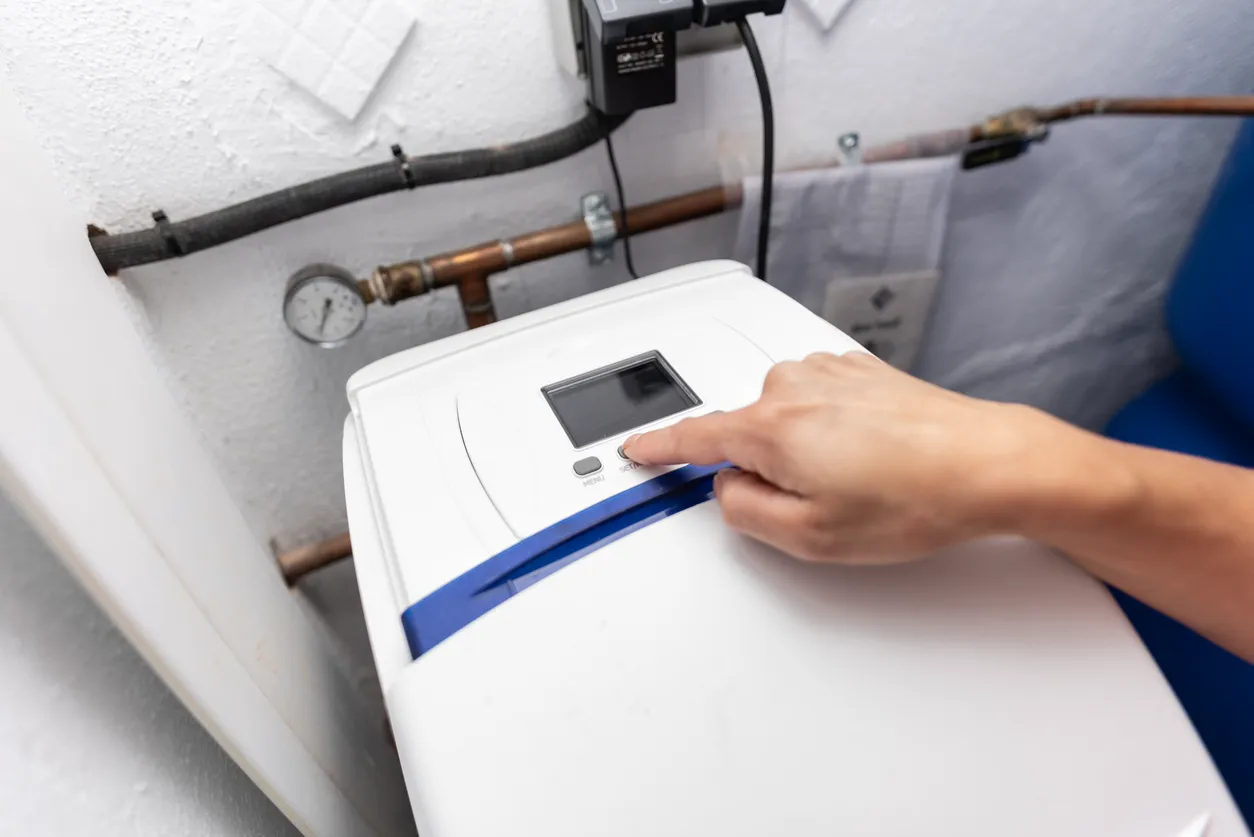
- Hard water mitigation options such as sediment traps, water softener tie‑ins, or sacrificial anode selection
Site assessment and accurate sizing
A professional installation begins with a thorough site assessment:
- Inspect existing plumbing, venting, gas or electrical supply, and access.
- Calculate household hot water demand using number of fixtures and peak usage patterns.
- Recommend appropriate capacity:
- Typical family of 3–4: 40–50 gallon tank is common.
- Larger households or heavy simultaneous use: consider 50+ gallon tanks or a high‑flow tankless system.
- Tankless sizing is based on required flow rate (GPM) and temperature rise—most Rosser homes fall in the 6–10 GPM range depending on simultaneous fixtures.
- Account for local water quality when selecting materials and anode types to extend service life.
Tank vs tankless: practical considerations for Rosser homes
- Tank water heaters
- Pros: lower initial cost, simpler replacement, reliable hot water for multiple fixtures for short periods.
- Cons: standby heat loss, larger footprint, more susceptible to sediment from hard water.
- Tankless water heaters
- Pros: on‑demand hot water, longer service life, energy savings for households with lower continuous demand, smaller footprint.
- Cons: higher upfront cost, may require upgraded gas line or venting, performance depends on correct sizing for Texas summer/winter temperature differentials.
Fuel type and efficiency options
- Natural gas/propane: Typically faster recovery and lower operating cost in many North Texas homes. Gas venting, combustion air, and clearances must meet code.
- Electric: Easier installation where gas is not available; newer heat pump (hybrid) models can be highly efficient but need adequate space and climate consideration.
- Efficiency ratings: Look for high Uniform Energy Factor (UEF) for tanks and energy‑efficient certifications for tankless units. Proper installation maximizes the rated efficiency.
Permits, code compliance, and safety checks
- Permits: Most water heater installations require a permit and final inspection. Permitting timelines vary; allow time for submission and inspection scheduling.
- Local codes: Installations must comply with Kaufman County and Rosser municipal codes for venting, seismic strapping (if required), combustion clearances, gas shutoff access, and pressure relief discharge routing.
- Safety items verified during installation:
- Properly sized pressure relief valve and discharge piping
- Correct venting and combustion air for gas units
- Secure mounting and seismic or anti‑tip requirements
- Electrical connections and bonding/grounding where applicable
Professional installation process and expected timeline
- Pre‑installation: Site assessment, unit selection, and permit submission (typically a few days to a couple weeks depending on local permitting).
- Day of install (typical durations):
- Standard tank replacement: 2–5 hours for direct swap with minimal modifications.
- Tankless or conversions (gas line upgrades, new venting, electrical upgrades): commonly 6–10 hours or multiple visits if significant work is needed.
- Steps taken on installation day:
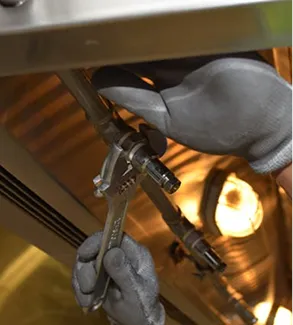
- Shut off utilities and drain/disconnect old unit safely.
- Prepare the new unit location, install or modify venting and fuel/electrical connections.
- Secure and level the unit, connect water lines, install pressure relief devices.
- Startup, set temperature limits, and perform initial safety checks.
- Final inspection if required by the permitting authority.
Warranty, testing, and post‑installation verification
- Manufacturer warranty and labor warranty: Confirm both coverage types and what they include (parts, labor, anode replacement).
- Post‑installation testing includes:
- Leak checks on all water and fuel connections
- Combustion and venting performance for gas units
- Flow and temperature verification at fixtures to confirm sizing and recovery
- Pressure testing and verification of relief valve operation
- Documentation: Permits and inspection reports are typically provided and should be kept for future resale or service needs.
Financing and cost considerations
- Financing options often available for homeowners to spread the purchase and installation cost over time.
- Factors affecting total cost: unit type (tank vs tankless), fuel conversion needs, venting modifications, water‑quality mitigation, and permit/inspection fees.
- Consider lifecycle cost: higher‑efficiency models may have greater upfront cost but lower operating expenses over time—especially relevant with fluctuating energy prices in Texas.
Maintenance and long‑term care to extend life
- Flush tanks annually or as recommended to remove sediment—especially important in hard water areas near Rosser.
- Inspect sacrificial anode rods on tanks every 1–3 years and replace as needed.
- For tankless units, schedule descaling if water hardness is high to maintain heat exchanger efficiency.
- Verify temperature settings and expansion tank/pressure controls annually.
A properly executed water heater installation in Rosser, TX starts with accurate sizing and an honest assessment of your home’s fuel availability, water quality, and usage patterns. Following code‑compliant installation, thorough testing, and scheduled maintenance will deliver dependable hot water and protect your investment for years to come.

Customer Testimonials

Robert with Macks Plumbing has saved my repair/reno project so much time and money by finding the problems that other plumbers couldn’t. He is easy to work with, direct and honest. Couldn’t recommend him with more confidence.
Quick response, knowledgeable and courteous. Techs that came for water heater made sure everything cleaned up and working properly. Will use Mack's again when I need work in future.
Excellent service. Prompt & professional. Great communication on arrival time and repairs needed. Easy to work with. We will use them again.
Showed before the expected time and both guys were polite, knowledgeable and more than ready to get the job done. I will definitely be using them again and recommending them to everyone I can!

Financing
We make it easy to get the plumbing services you need with flexible financing options through Wisetack, including zero down plans with approved credit.