

Water Heater Maintenance Tankless in Rosser, TX
Tankless water heater maintenance in Rosser, TX improves reliability and efficiency via descaling, inspections, and service plans today.

Water Heater Maintenance Tankless in Rosser, TX
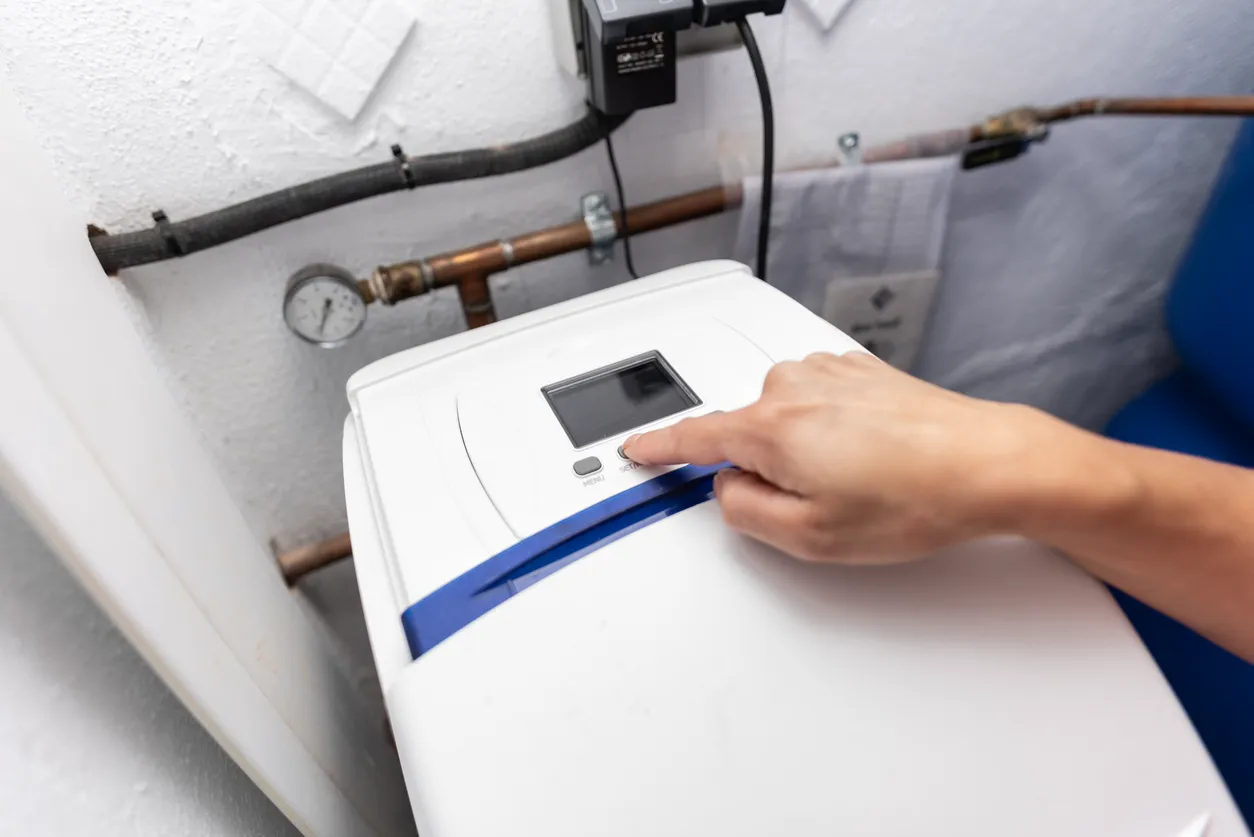
A properly maintained tankless water heater delivers reliable hot water, lower energy bills, and a longer service life. In Rosser, TX, where North Texas hard water and hot summers can accelerate mineral buildup and stress components, regular tankless water heater maintenance is essential.
Why maintenance matters for tankless units in Rosser, TX
Tankless water heaters are compact and efficient, but they depend on clean water flow and precise sensors. Rosser and surrounding Kaufman County often experience moderately hard to hard water, which increases scale formation inside heat exchangers, flow sensors, and filters. Left unchecked, mineral buildup reduces efficiency, causes inconsistent water temperatures, increases gas or electrical demand, and shortens equipment life. Routine maintenance keeps the unit operating at peak efficiency and prevents emergency repairs.
Common tankless water heater issues in Rosser, TX
- Reduced hot water flow or sudden drops in temperature
- Unit cycling on and off frequently or failing to ignite
- Error codes related to flow sensors, ignition, or temperature sensors
- Visible scale or corroded inlet filters
- Decreased efficiency and higher utility bills
- Noisy operation from scale buildup on heat exchanger
Recommended maintenance intervals for tankless water heaters
- Every 3 months: Visual inspection of external components, check inlet filter (screens) and clean if required in homes with very hard water.
- Every 6 months: Clean or replace water inlet filters and screens; check for visible scale and test performance during periods of typical household demand.
- Every 6 to 12 months: Full descaling/flush procedure for areas with moderate to hard water. Homes with softening systems or very low mineral counts may extend to 12 months.
- Annually: Burner and combustion inspection (for gas units), venting check, gas pressure test, electrical connections, sensor calibration, and a complete performance test.
- Every 3 to 5 years: Professional diagnostic inspection that includes more detailed checks of the heat exchanger condition and component wear.
Adjust intervals based on local water hardness, household usage, and manufacturer recommendations.
Descaling and flush procedure (what professionals do)
Descaling removes mineral deposits from the heat exchanger and internal plumbing to restore performance. A typical professional flush includes:
- Isolate the unit from water and power/gas per safety protocols.
- Attach hoses to the service ports and connect to a pump that circulates a manufacturer-safe descaling solution.
- Circulate solution through the heat exchanger for 30 to 60 minutes, or longer for heavy scaling.
- Rinse thoroughly with fresh water until neutral pH is confirmed and no debris remains.
- Clean inlet screens and strainers; reinstall all fittings and repressurize the system.
- Restore power/gas and perform a full performance test to verify temperature accuracy, flow, and absence of error codes.
Descaling should only be performed with approved cleaning agents and by trained technicians to avoid damage to gaskets, sensors, and coatings.
Filter, sensor, and burner checks
- Inlet filters and screens: Remove and clean sediment and scale. Replace damaged screens.
- Flow sensors and pressure-reducing valves: Inspect for scale, verify calibration, and clean or replace if readings are inconsistent.
- Temperature sensors and thermistors: Test accuracy at multiple set points; replace if drift is observed.
- Burners and combustion chamber (gas units): Inspect for soot, corrosion, and proper flame pattern. Check gas pressure and combustion efficiency.
- Electrical connections and control boards: Look for corrosion, loose wiring, and heat damage. Update firmware when applicable.
Performance testing and diagnostics
After maintenance, technicians should run these checks:
- Verify stable target temperature at typical household flow rates.
- Check ignition reliability and consistent burner operation on gas units.
- Monitor error logs and reset codes to confirm root-cause fixes.
- Measure system flow rates, pressure drop across filters, and check for leaks.
- Assess energy use patterns; significant efficiency improvements after service confirm successful descaling.
Preventive maintenance tasks to avoid mineral buildup and efficiency loss
- Install or maintain a water softener or scale inhibitor if local water hardness is high.
- Clean inlet filters regularly (every 3–6 months for hard water areas).
- Use a whole-house sediment filter to reduce particulate ingress.
- Keep exterior vents and intake screened and free of debris.
- Avoid running the unit at unnecessarily high temperatures; follow manufacturer-recommended set points.
- Replace sacrificial parts like inlet screens, o-rings, and small sensors proactively based on inspection findings.
Service plans and what they include
Professional maintenance plans for tankless water heaters typically bundle regular inspections and priority service. Typical plan components:
- Scheduled descaling/flush at recommended intervals
- Biannual or annual filter and sensor checks
- Combustion and burner inspection for gas units
- Diagnostic testing and performance verification after each visit
- Priority scheduling for emergency repairs and discounted labor rates for covered parts
- Detailed service reports outlining findings and recommended repairs
Service plans are structured to reduce surprise failures, improve energy efficiency, and extend equipment life. Plans can be customized by frequency and coverage level to match Rosser household water conditions and usage patterns.
Tips to extend your tankless unit life in Rosser, TX
- Know your water hardness and consider softening or scale control if levels are high.
- Follow manufacturer maintenance intervals and document service history.
- Keep outdoor units shaded or protected from direct sun when possible to reduce thermal stress on components.
- Run the unit through normal hot water cycles monthly if the home is vacant to prevent stagnation and sensor drift.
- Replace small wear items before they cause larger failures.
Benefits of timely tankless maintenance
Regular, professional maintenance minimizes unexpected breakdowns, preserves energy savings, and keeps hot water delivery consistent. For Rosser homes dealing with Texas mineral-rich water and seasonal temperature swings, proactive care is the most cost-effective way to protect your investment and ensure reliable performance year round.

Customer Testimonials

Robert with Macks Plumbing has saved my repair/reno project so much time and money by finding the problems that other plumbers couldn’t. He is easy to work with, direct and honest. Couldn’t recommend him with more confidence.
Quick response, knowledgeable and courteous. Techs that came for water heater made sure everything cleaned up and working properly. Will use Mack's again when I need work in future.
Excellent service. Prompt & professional. Great communication on arrival time and repairs needed. Easy to work with. We will use them again.
Showed before the expected time and both guys were polite, knowledgeable and more than ready to get the job done. I will definitely be using them again and recommending them to everyone I can!

Financing
We make it easy to get the plumbing services you need with flexible financing options through Wisetack, including zero down plans with approved credit.