

Water Heater Replacement in Scurry, TX
Need water heater replacement in Scurry, TX? Get fast dependable service for hot water restoration with expert installation. Call today.
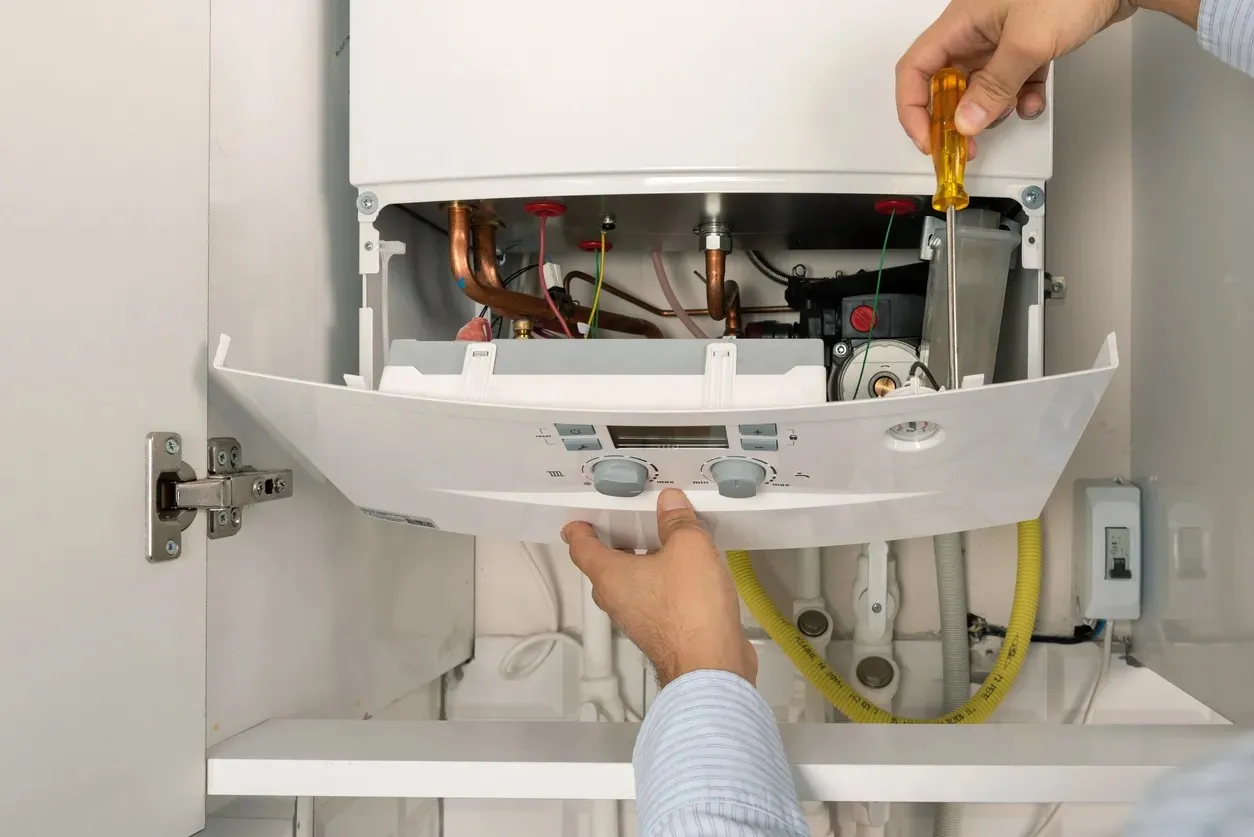

Water Heater Replacement in Scurry, TX
Replacing a water heater is a major home service decision. In Scurry, TX, where hot summers, hard water, and older neighborhood plumbing can accelerate wear, choosing the right replacement protects comfort, reduces energy waste, and prevents sudden failures.
When to replace your water heater (common signs)
Consider replacement when you notice repeated or severe problems rather than one-off repairs. Common water heater replacement issues in Scurry, TX include:
- Age: Most tank-style water heaters last 8 to 12 years. If your unit is in this range, plan for replacement.
- Repeated failures: Multiple repairs in a short span signal the unit is at the end of its service life.
- Leaks or corrosion: Visible rust, puddles at the base, or a corroded tank require immediate attention.
- Insufficient hot water: Gradually declining supply often indicates internal sediment, a failing heating element, or diminished tank capacity.
- Noisy operation: Rumbling or popping usually results from sediment buildup and can mean the tank is deteriorating.
- Rising energy bills: Older, inefficient tanks consume more energy; a newer high-efficiency model can cut operating costs.
- Discolored or metallic-smelling water: Internal corrosion or failing anode rods can contaminate supply.
Replacement options for Scurry homes
Selecting the right type of replacement depends on your household size, usage patterns, existing utilities (gas or electric), and budget. Common options include:
- High-efficiency tank water heaters
- Same basic operation as older tanks but with better insulation and improved burners/elements.
- Good fit when you want a direct replacement with modest upfront cost and improved efficiency.
- Tankless (on-demand) water heaters
- Provide continuous hot water and save space. Most cost more upfront but offer lower long-term operating costs in many households.
- Best for homeowners seeking energy savings and endless hot water for showers or multiple simultaneous uses.
- Hybrid (heat pump) water heaters
- Use heat pump technology to move heat from the air into the water; very efficient in moderate climates.
- May require more installation space and work best in conditioned or well-ventilated areas.
- Upsizing or downsizing your capacity
- If your family grew or your usage changed (more fixtures, new bathroom), consider upsizing the tank or switching to a tankless solution.
- Conversely, a downsized but more efficient unit may suffice for smaller households.
Removal and disposal of the old unit
Proper removal protects your home and complies with local disposal rules:
- Shut down power and water at the supply, and safely disconnect gas lines or electrical feeds.
- Drain the tank and neutralize any remaining pressure via the temperature-pressure relief valve.
- Physically remove the unit from the installation area, accounting for tight access in basements or garages.
- Dispose of or recycle the old tank in accordance with local regulations; many municipalities and authorized recyclers accept scrap metal and refrigerant-bearing components.
- Address any residual connections: capped gas lines, sealed electrical conduits, and repaired flooring or wall penetrations as needed.
Local disposal practices matter in Scurry and Kaufman County. Recycling reduces landfill waste and is often required for certain components; ensure your installer follows county guidelines.
Typical installation steps
A professional installation follows a predictable sequence to ensure safety and performance:
- Site assessment: Verify venting, clearance, gas or electrical capacity, and water line condition.
- Permitting and code compliance: Pull permits if required and adhere to local codes for venting, combustion air, and seismic/anchoring requirements.
- Prepare the location: Install any necessary platform, drain pan with proper drainage, and expansion tank if codes require.
- Connect utilities: Secure gas line with sediment trap and leak testing, or make required electrical connections and install proper breaker sizing.
- Install safety components: Temperature-pressure relief valve, dielectric unions, and pressure regulators as needed.
- Fill and test: Refill the unit, purge air, energize heating systems, and test for leaks and proper operation.
- Final inspection and cleanup: Ensure the installation meets code, explain basic operation to the homeowner, and remove debris and old unit.
Experienced local installers will also check whole-house water quality; if hard water is present, they may recommend measures to extend the life of the new heater.
Cost considerations and timelines
Upfront purchase and installation costs vary by equipment type and complexity. Key cost drivers include unit type (tank vs tankless vs hybrid), fuel source modifications, venting upgrades, and any necessary plumbing or gas-line work.
- Relative cost overview
- Standard high-efficiency tanks: lowest to moderate upfront cost, quicker install.
- Tankless systems: higher upfront cost, potential long-term energy savings.
- Hybrid heat pump units: mid-to-high cost, best for energy efficiency where space permits.
- Timeline expectations
- Simple like-for-like tank replacement: often completed in a few hours to one day.
- Tankless or hybrid upgrades with venting and utility upgrades: typically one to two days.
- Jobs requiring permits or significant gas/electrical upgrades may take longer due to inspections.
Plan replacements before an emergency occurs; scheduling during cooler months can avoid peak demand times, though local installers generally accommodate year-round needs.
Warranties, recycling, and workmanship
- Manufacturer warranties: New water heaters typically include manufacturer warranties ranging by component (tank, heat exchanger, etc.). Review terms and register the unit.
- Workmanship warranties: Reputable installers provide a labor warranty covering installation-related issues for a specified period.
- Recycling and disposal practices: Proper handling of the old unit protects the environment and meets Scurry/Kaufman County regulations. Salvage of scrap metal and safe disposal of hazardous components is standard practice.
Maintenance and expected benefits
Replacing an old water heater yields immediate benefits:
- More reliable hot water and consistent temperatures.
- Improved energy efficiency and lower monthly operating costs.
- Reduced risk of leaks and water damage from failing tanks.
- Longer-term peace of mind with modern safety features and warranty coverage.
After replacement, maintaining the unit—annual flush to remove sediment, checking the anode rod, and monitoring pressure—extends life and preserves efficiency.
Financing and scheduling for Scurry homeowners
Many local plumbing services offer flexible financing options to spread the cost of higher-efficiency or tankless systems over time, making an otherwise large one-time expense more manageable. Typical scheduling options include same-week or next-day appointments for emergencies and planned installations arranged to suit homeowner availability. Permitted jobs or installations requiring utility upgrades may need additional time for inspections.
Replacing a water heater is both a practical upgrade and an investment in home comfort. For Scurry, TX homes, choosing the right replacement that accounts for local climate, water quality, and household needs ensures reliable hot water, improved efficiency, and long-term savings.

Customer Testimonials

Robert with Macks Plumbing has saved my repair/reno project so much time and money by finding the problems that other plumbers couldn’t. He is easy to work with, direct and honest. Couldn’t recommend him with more confidence.
Quick response, knowledgeable and courteous. Techs that came for water heater made sure everything cleaned up and working properly. Will use Mack's again when I need work in future.
Excellent service. Prompt & professional. Great communication on arrival time and repairs needed. Easy to work with. We will use them again.
Showed before the expected time and both guys were polite, knowledgeable and more than ready to get the job done. I will definitely be using them again and recommending them to everyone I can!

Financing
We make it easy to get the plumbing services you need with flexible financing options through Wisetack, including zero down plans with approved credit.