

Water Heater Installation in Scurry, TX
Water heater installation in Scurry, TX ensures code-compliant, efficient hot water and reliable performance. Schedule installation today.
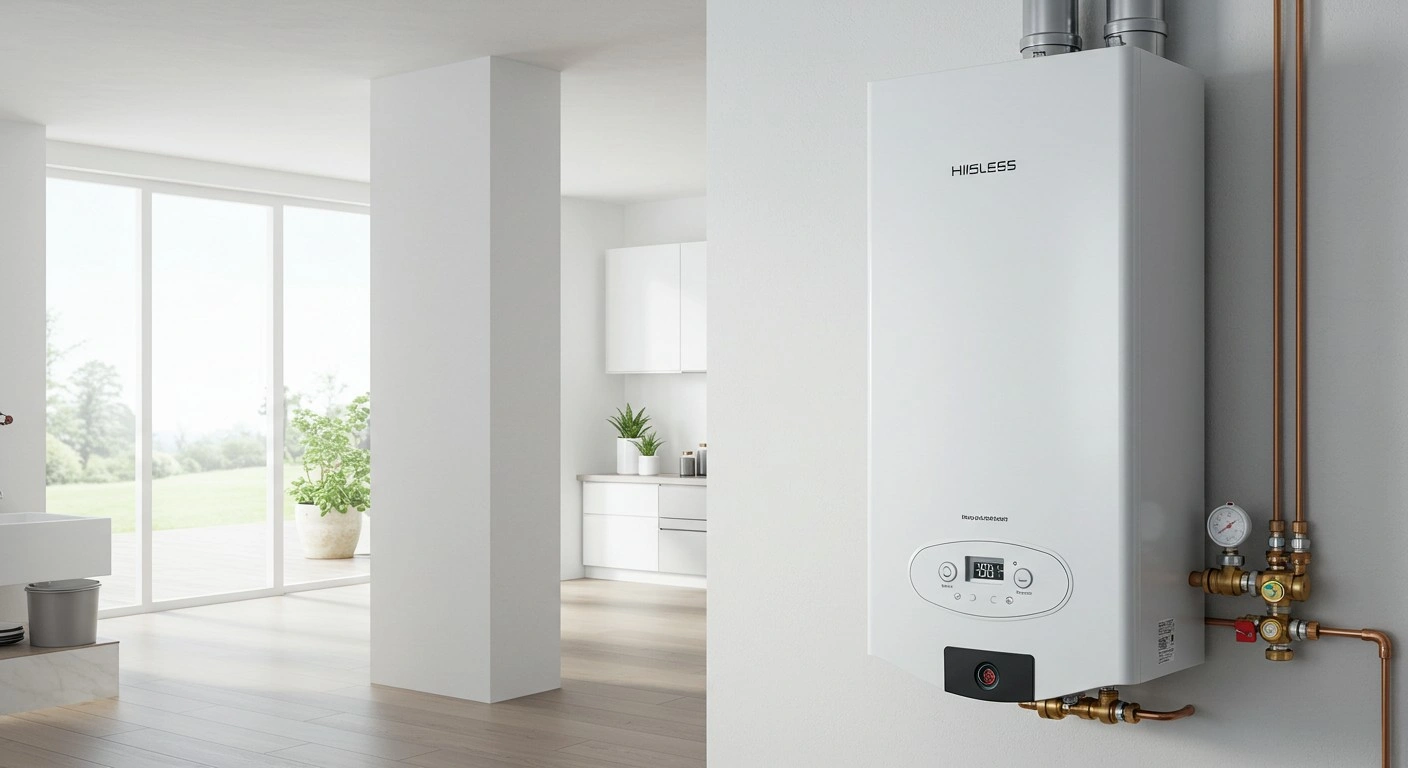

Water Heater Installation in Scurry, TX
Choosing and installing a new water heater is one of the most important home service decisions for comfort, safety, and energy costs. In Scurry, TX, where household demand, local groundwater temperature, and mineral content all affect performance, a professional water heater installation ensures reliable hot water, code compliance, and long-term value.
Why a professional installation matters in Scurry, TX
- Scurry-area homes often face moderately hard water that speeds up scale buildup and shortens tank life. Proper sizing and installation reduce maintenance headaches.
- North Texas water is warmer than northern states, which can lower the heating load but not household demand; accurate sizing prevents underperformance.
- Local plumbing and gas codes, county or municipal permits, and inspection requirements must be followed to maintain safety and avoid future problems.
Common water heater installation types and when to choose a tank-style
- Standard tank-style gas water heater (natural gas or propane): best for families needing steady stored hot water and simpler maintenance.
- Electric tank-style: common where gas is not available; simpler venting but higher operating costs in some cases.
- Tankless (on-demand): compact, high-efficiency option for continuous hot water with different installation needs.
- Heat pump water heaters: very efficient in warm climates like Scurry, and worth considering if electricity rates and space allow.
This page focuses on tank-style water heater installation and the decisions that matter when selecting a new tank unit.
Site assessment and unit sizing
A thorough site assessment is the first step. A professional will evaluate:
- Available space and venting options (direct vent, power vent, or atmospheric vent).
- Fuel type available at the home (natural gas, propane, or electric) and gas line capacity if switching to a larger gas unit.
- Water connection layout and any need for rerouting or new piping.
- Access for removal of the old unit and delivery of the new one.
- Local water quality (hardness) and presence of sediment that may require pre-installation mitigation.
Sizing considerations include:
- Tank capacity matched to household usage (number of occupants, peak hour demand).
- For gas units: BTU input and recovery rate.
- For electric units: kW heating elements and recovery rate.
- First Hour Rating (FHR) or Uniform Energy Factor (UEF) to ensure the unit meets peak needs.
Selecting an appropriate tank-style model
When choosing a tank-style water heater, consider:
- Tank material and lining: glass-lined steel is common; stainless steel resists corrosion longer but costs more.
- Anode rod type and accessibility: replaceable anode rods extend tank life in hard water areas.
- Insulation and UEF: higher insulation and better UEF reduce standby losses and lower operating costs.
- Venting and physical footprint: verify venting clearances and space for combustion air.
- Manufacturer warranty: check what’s covered for parts and tank failure and how to register the warranty post-installation.
For Scurry homes, a tank with a robust anode rod, good insulation, and a solid warranty is prudent because mineral-rich water and high summer usage can accelerate wear.
Permits and code considerations in Scurry, TX
- Most water heater installations require a permit and final inspection from the local building or permitting authority (Scurry city or Kaufman County). A licensed plumber typically pulls the permit and schedules inspections.
- Installations must comply with state and local plumbing and gas codes, including:
- Proper Temperature and Pressure Relief (TPR) valve installation and safe discharge routing.
- Correct venting and clearances for gas appliances.
- Installation of an expansion tank where required for closed domestic systems.
- Proper pan and drain requirements for units installed inside living spaces.
- Gas line sizing and leak-testing procedures.
A qualified installer will ensure the unit meets code, pass inspection, and provide documentation for your records.
Typical installation timeline and what to expect on installation day
- Preparation and arrival: installer confirms permit, inspects the site, and lays down protective coverings.
- Disconnecting the old unit: utilities are safely shut off; the old tank is drained and removed.
- Site prep: piping, gas line, venting, or pan/drain modifications are made as needed.
- Placement and connection: the new tank is set, connected to water lines, gas or electric supply, and venting installed.
- Filling and commissioning: system is filled, air is purged, unit is started, and controls set to the recommended temperature.
- Testing and cleanup: leak checks, pressure checks, combustion testing for gas units, and area cleanup.
Typical duration for a like-for-like tank replacement is a few hours. Complex relocations or upgrades take longer.
Post-install testing and warranty registration
After installation, a professional installer will:
- Test for leaks and proper pressure.
- Confirm correct vent draft and run combustion/CO checks on gas units.
- Set the thermostat and explain operating basics like TPR valve care and recommended temperature (usually around 120°F for comfort and safety).
- Provide manufacturer warranty paperwork and encourage registration of the warranty with the manufacturer to lock in coverage periods.
- Give a service report documenting work performed and inspection outcomes.
Energy-efficiency options and long-term savings
- Higher-UEF tank models and better insulation reduce standby losses.
- In Scurry’s warm climate, heat pump water heaters can offer significant energy savings if space and installation conditions permit.
- Simple upgrades like insulating hot water pipes, setting lower thermostat temps, and installing low-flow showerheads cut energy use.
- For homes with hard water, adding a softening solution or routine tank flushing reduces scale and preserves efficiency.
Pricing considerations and financing choices
Installation cost varies with unit type, capacity, venting needs, and any required plumbing or gas upgrades. Factors that drive cost include:
- Unit efficiency and brand/warranty.
- Complexity of venting, gas line work, or relocating the unit.
- Need for additional safety items like expansion tanks or pans and upgrades required by code.
Many installers and lenders offer financing options and payment plans to spread the investment over time. Check for manufacturer rebates, local utility incentives, or energy-efficiency programs that may reduce net cost for qualifying high-efficiency units.
Maintenance advice and expected lifespan
- Flush the tank annually to remove sediment and improve heat transfer.
- Inspect or replace the sacrificial anode rod every 3 to 5 years in hard water conditions.
- Test the TPR valve yearly for proper operation.
- Expect a typical tank-style water heater life of 8 to 12 years; regular maintenance and addressing hard water issues can extend that.
A professional installation aligned with local codes, accurate sizing, and routine maintenance will deliver safe hot water, lower energy bills, and fewer emergency repairs for Scurry, TX homes.

Customer Testimonials

Robert with Macks Plumbing has saved my repair/reno project so much time and money by finding the problems that other plumbers couldn’t. He is easy to work with, direct and honest. Couldn’t recommend him with more confidence.
Quick response, knowledgeable and courteous. Techs that came for water heater made sure everything cleaned up and working properly. Will use Mack's again when I need work in future.
Excellent service. Prompt & professional. Great communication on arrival time and repairs needed. Easy to work with. We will use them again.
Showed before the expected time and both guys were polite, knowledgeable and more than ready to get the job done. I will definitely be using them again and recommending them to everyone I can!

Financing
We make it easy to get the plumbing services you need with flexible financing options through Wisetack, including zero down plans with approved credit.