

Water Heater Repair in Kemp, TX
Water heater repair in Kemp, TX delivers fast diagnostics, trusted fixes, and reliable hot water. Schedule now for same-day service and clear pricing.

Water Heater Repair in Kemp, TX
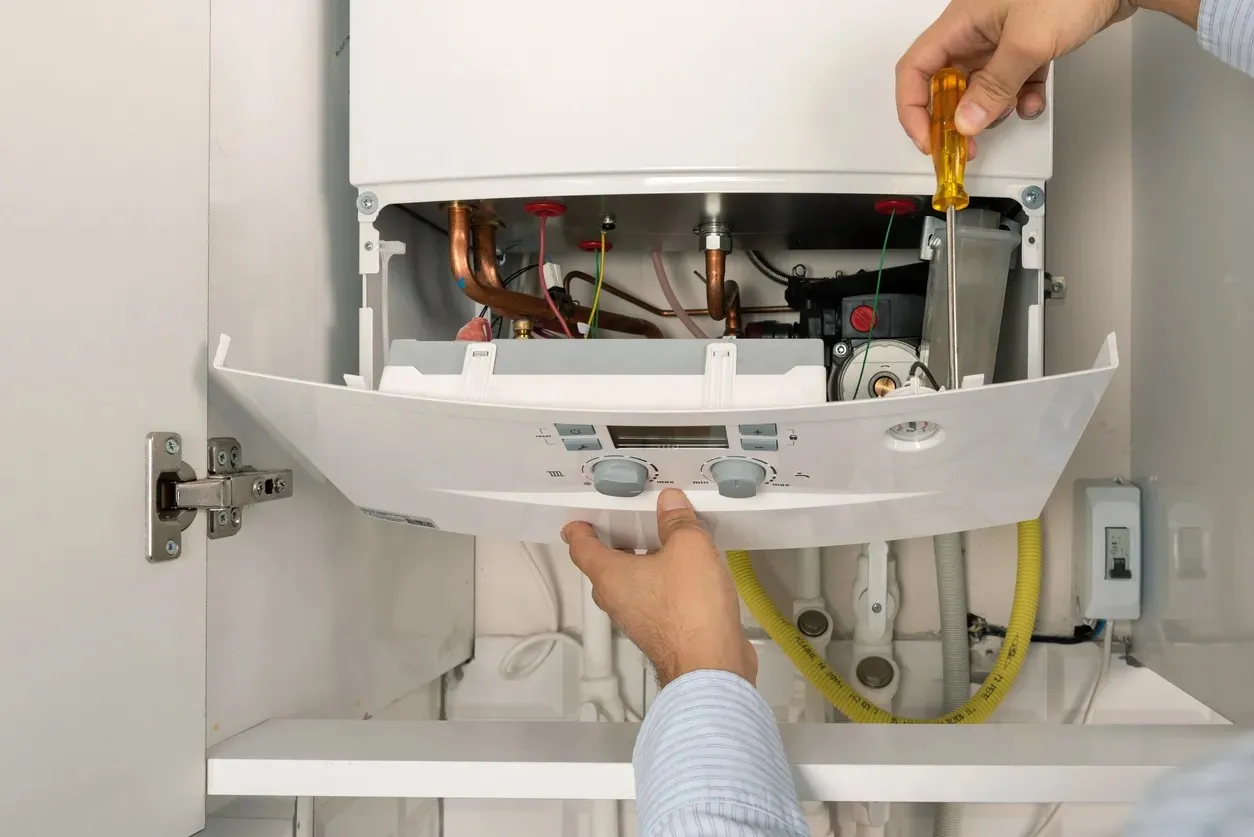
A reliable hot water supply is one of those household essentials you notice immediately when it fails. Water heater repair in Kemp, TX focuses on diagnosing the root cause quickly and restoring safe, efficient hot water to your home. Whether you have a gas tank, electric tank, or tankless unit, local homes face similar wear and tear from hard water, heavy summer use, and older equipment.
Common water heater problems in Kemp, TX homes
Homes in and around Kemp experience hot summers and moderately hard water, both of which contribute to some recurring issues:
- Leaks from the tank or connections - often caused by corrosion, failed fittings, or a bad temperature pressure relief (TPR) valve
- No hot water or inconsistent temperatures - common with failed thermostats, heating elements, or gas control valves
- Lukewarm water or slow recovery - scale buildup on elements or heat exchangers reduces efficiency
- Pilot light or ignition problems (gas units) - pilot assembly, thermocouple, or electronic ignitors can fail
- Rumbling or popping noises - sediment collecting on the bottom of tank-type heaters
- Rapidly rising utility bills - inefficient operation from sediment, faulty controls, or aging units
- Discolored or metallic-smelling water - often related to an aging anode rod or internal corrosion
Diagnostic steps and what to expect
A focused diagnostic lets technicians determine whether a repair or replacement is the most cost effective solution. Typical diagnostic steps include:
- Visual inspection of the tank, valves, and plumbing for obvious leaks or damage
- Checking the water temperature setting and testing recovery to identify element or burner performance issues
- For gas units, inspecting the pilot/ignition system, gas pressure, and venting for safety and operation
- For electric units, testing thermostats, heating elements, and electrical connections with meters
- Flushing a sample of the tank to check for sediment and inspecting the anode rod condition
- Pressure checks and testing the TPR valve operation
Most diagnostics take 30 to 90 minutes in a typical residential setting. The results identify the specific components needing attention and whether the tank itself is compromised.
Repair services offered and typical solutions
Repair services for water heaters in Kemp usually cover the following scope:
- Leak repair and tank patching - minor fitting leaks and replacement of valves and connectors; tank replacement when corrosion is widespread
- Thermostat and element replacement (electric) - swap out failed elements, thermostats, and reset switches to restore consistent heat
- Pilot assembly, thermocouple, and gas valve repairs (gas units) - restore ignition and safe gas control
- TPR valve replacement and pressure-related repairs - replace failed safety valves and correct pressure issues
- Heating element descaling and tank flushing - remove scale and sediment to recover efficiency
- Anode rod replacement - restore internal corrosion protection and extend tank life
- Dip tube and inlet/outlet repairs - correct cold water mixing issues inside the tank
- Tankless unit repairs - clean or replace heat exchangers, sensors, and ignition modules
Most common repairs are completed same day when parts are on hand. More extensive repairs or tank replacements require additional time for parts ordering and scheduling.
Expected repair timelines
- Simple part replacements (thermostat, heating element, TPR valve): 1 to 3 hours
- Combustion-related repairs (pilot, gas valve): 1 to 4 hours depending on access and parts
- Sediment removal and flushing: 30 minutes to 2 hours
- Tank replacement (including draining, removal, new unit install, and testing): 3 to 6 hours for standard residential installs
- Tankless replacements or complex gas conversions: may require a full day and permit inspection
Timelines vary with unit accessibility, age, and whether new piping or permits are required.
Typical parts, lifespan expectations, and warranties
Common replacement parts include thermostats, heating elements, anode rods, TPR valves, dip tubes, gas control valves, ignition modules, and pressure regulators. Typical lifespan expectations:
- Parts like thermostats, elements, and valves: often 1 to 5 years depending on use and water quality
- Anode rods: 1 to 5 years in hard water; checking every 1 to 3 years is advisable
- Storage tank water heaters: commonly 8 to 12 years when well maintained
- Tankless systems: can last 15 to 20 years with regular maintenance
Warranties vary by manufacturer and installer. Manufacturer parts warranties commonly range from 1 to 12 years depending on the component and model. Labor warranties from service providers often range from 30 to 365 days. Always confirm parts and labor coverage before work begins.
Emergency repair scenarios and response
Recognize these situations as emergencies that need immediate attention:
- Active tank leak or pooling water under the heater
- Strong smell of gas or suspected gas leak near the unit
- No hot water combined with unusual noises and visible smoke or flames
- Electrical burning smell or tripped breakers tied to the water heater
Emergency response priorities include shutting off water and/or gas to the unit if safe, isolating electrical power, and addressing hazards first. Response times depend on local availability and call volume; typical emergency visits aim for same day or faster when safety risks exist.
Pricing guidance and cost influencers
Instead of fixed prices, use these factors to estimate relative costs:
- Type of unit: tankless systems and gas controls are generally more expensive to repair than simple electric elements
- Extent of damage: a corroded tank needing full replacement costs more than replacing a thermostat
- Parts availability and brand: OEM parts and specialty controls raise parts costs
- Labor complexity: limited access, venting changes, or gas line work add time and expense
- Permits and code upgrades: older installations may require upgrades to meet current codes
Understanding these variables helps set expectations and compare repair vs replacement decisions.
Tips to extend the life of your water heater in Kemp
- Flush the tank annually, or more often in hard water areas, to reduce sediment buildup
- Inspect or replace the anode rod every 1 to 3 years depending on water quality
- Lower the thermostat to 120 degrees fahrenheit to reduce scale and energy use
- Install a water softener or scale-reduction device if your water is hard
- Test the TPR valve yearly and replace if it fails to operate freely
- Keep the area around the water heater clear and check for minor leaks regularly
- Schedule professional inspections annually for gas units and every 1 to 2 years for electric/tankless systems
ConclusionWater heater repair in Kemp, TX is about matching fast, accurate diagnostics with the right solution for your home. Local climate and water quality influence common failure modes, but many issues are preventable with routine maintenance. Understanding the likely repairs, expected timelines, parts and warranty norms, and when a situation is an emergency will help you make informed decisions to restore safe, reliable hot water.

Customer Testimonials

Robert with Macks Plumbing has saved my repair/reno project so much time and money by finding the problems that other plumbers couldn’t. He is easy to work with, direct and honest. Couldn’t recommend him with more confidence.
Quick response, knowledgeable and courteous. Techs that came for water heater made sure everything cleaned up and working properly. Will use Mack's again when I need work in future.
Excellent service. Prompt & professional. Great communication on arrival time and repairs needed. Easy to work with. We will use them again.
Showed before the expected time and both guys were polite, knowledgeable and more than ready to get the job done. I will definitely be using them again and recommending them to everyone I can!

Financing
We make it easy to get the plumbing services you need with flexible financing options through Wisetack, including zero down plans with approved credit.