

Tankless Water Heater Repair in Kemp, TX
Tankless water heater repair Kemp, TX—fast diagnostics, reliable fixes, and on-site service. Learn more to restore reliable hot water today.

Tankless Water Heater Repair in Kemp, TX
Tankless water heater repair in Kemp, TX focuses on getting your on-demand hot water system back to reliable performance quickly and efficiently. In Kemp area homes, higher summer demand, seasonal hard water, and older gas lines in some neighborhoods contribute to a predictable set of problems: ignition failures, mineral buildup on heat exchangers, recurring error codes, and component wear.
Common tankless water heater issues in Kemp, TX
- Ignition failures and no hot water
- Causes: faulty igniter, clogged burner orifice, low gas pressure, or a failed gas valve.
- Symptoms: unit attempts to start but shuts down, or displays an ignition-related error code.
- Mineral buildup and scale on the heat exchanger
- Kemp and the surrounding Kaufman County tend to have moderately hard water. Over time minerals stick to internal passages and reduce heat transfer.
- Symptoms: reduced flow, longer recovery, overheating shutdowns, or frequent error codes tied to temperature or flow sensors.
- Recurring or unexplained error codes
- Codes often point to sensors, flow switches, venting problems, or electrical faults. Reading codes narrows the repair path quickly.
- Low hot water flow or temperature fluctuations
- Causes include clogged inlet filters, failing flow sensors, or partially blocked plumbing lines.
- Leaks or corrosion
- Inlet or outlet fittings, pressure relief valves, and condensate lines can leak, especially in older installations.
- Venting and combustion issues
- Improper venting or blocked intakes can trigger shutdowns for safety and reduce efficiency.
- Electronics and control failures
- Circuit board faults, failed temperature sensors, or wiring issues can stop reliable operation.
Typical repairs and replacement parts
Common parts repaired or replaced during tankless water heater service:
- Igniter or spark electrode
- Gas valve assembly
- Flame sensor and burner components
- Heat exchanger cleaning or replacement (cleaning often restores performance; replacement is required for severe corrosion)
- Flow sensor or flow switch
- Temperature sensors and thermistors
- PCB control board or power supply components
- Pressure relief valve and inlet/outlet fittings
- Condensate trap and venting components
- Water inlet filter or sediment trap
Technicians will recommend OEM parts when possible for fit and reliability. Some wear items can be serviced on site, while larger components may require scheduled replacement.
Repair procedures explained simply
- Descale and flush
- Technicians use a controlled descaling process to remove scale from the heat exchanger. This restores efficiency and often resolves temperature or flow problems.
- Replace failing sensors and igniters
- Faulty sensors and igniters are swapped out and calibrated so the unit can monitor and control temperature correctly.
- Adjust gas pressure and clean burners
- If ignition or flame stability is an issue, gas pressure is checked and adjusted, and burners are cleaned for reliable combustion.
- Fix venting and condensate drains
- Blocked vents or frozen condensate lines are cleared or replaced; proper venting ensures safe operation.
- Repair leaks and resecure fittings
- Replace worn seals, valves, or connections and pressure test the system for safety.
All repairs are performed with safety checks to ensure combustion, venting, and electrical systems meet expected standards.
Post-repair performance testing
After any repair, thorough testing confirms long-term reliability:
- Multiple ignition and run cycles to verify consistent starts
- Flow and temperature rise measurements at different demand levels
- Leak checks on all replaced fittings and seals
- Monitoring for error codes during a stress run (10 to 15 minutes under normal household demand)
- Combustion analysis for gas units when required
Documentation of the checks ensures transparency and helps identify whether follow-up service is advisable.
Preventive recommendations to avoid future breakdowns
- Annual maintenance and descaling
- For Kemp homes with hard water, schedule descaling at least once a year to prevent scale buildup.
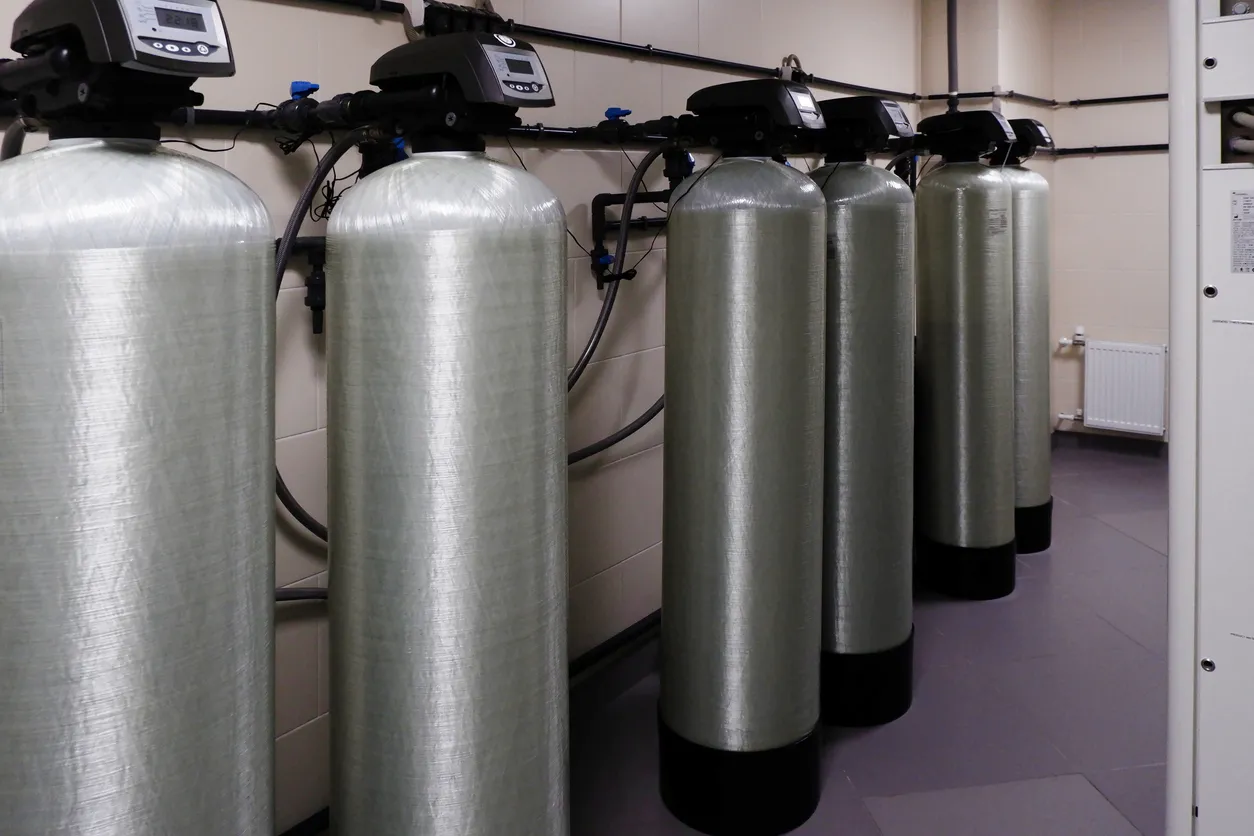
- Install a whole-house water softener or a dedicated softening loop for the water heater
- Reducing mineral content significantly extends heat exchanger life and lowers service frequency.
- Use a sediment trap and inline filter
- These protect flow sensors and valves from debris.
- Keep vents and intake clear year round
- Clear landscaping and protect intake screens to prevent blockages.
- Monitor for early warning signs
- Strange noises, intermittent hot water, or new error codes should prompt inspection before a full breakdown.
- Consider replacement when appropriate
- If a unit is over 10 to 15 years old, experiencing repeated heat exchanger problems, or repair costs approach a new system cost, replacement is often the smarter long-term choice.
Service guarantees and what to expect
Reliable tankless water heater repair should include clear workmanship and parts guarantees. Typical guarantees cover:
- A workmanship warranty that lasts a defined period after repair
- Parts warranty per the manufacturer or supplier terms
- Follow-up inspections if repeated issues occur within the warranty window
Prompt diagnostics, proper parts, and complete post-repair testing reduce the chance of recurring problems and maximize the life of your tankless water heater.
Timely repair and routine maintenance are the best ways to keep tankless water heaters performing well for Kemp, TX households. Addressing ignition failures, mineral buildup, and sensor faults early preserves efficiency, reduces utility costs, and keeps hot water available when you need it.

Customer Testimonials

Robert with Macks Plumbing has saved my repair/reno project so much time and money by finding the problems that other plumbers couldn’t. He is easy to work with, direct and honest. Couldn’t recommend him with more confidence.
Quick response, knowledgeable and courteous. Techs that came for water heater made sure everything cleaned up and working properly. Will use Mack's again when I need work in future.
Excellent service. Prompt & professional. Great communication on arrival time and repairs needed. Easy to work with. We will use them again.
Showed before the expected time and both guys were polite, knowledgeable and more than ready to get the job done. I will definitely be using them again and recommending them to everyone I can!

Financing
We make it easy to get the plumbing services you need with flexible financing options through Wisetack, including zero down plans with approved credit.