

Sump Pump Repair in Combine, TX
Sump pump repair in Combine, TX delivers fast diagnostics and reliable fixes to stop water intrusion. Call now for expert service.

Sump Pump Repair in Combine, TX
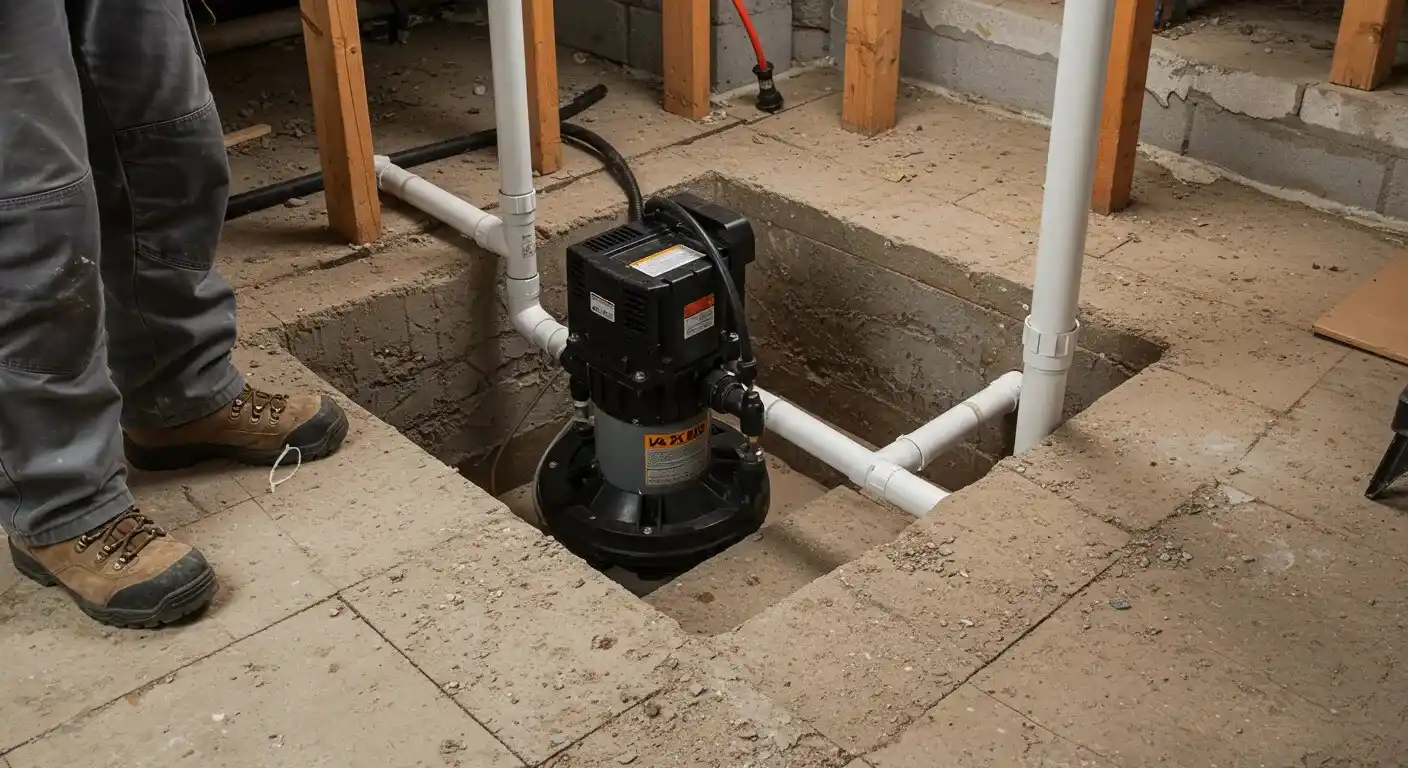
A failing sump pump can quickly become an emergency in Combine, TX where heavy spring storms and periodic flash flooding overwhelm low-lying yards and basements. Professional sump pump repair in Combine, TX focuses on fast, accurate diagnostics and repairs that stop water intrusion, protect your foundation, and prevent mold and property damage.
Why sump pump repair matters in Combine, TX
Combine and the surrounding Collin County area experience intense downpours and high runoff during storm season. Many local homes sit on clay soil that sheds water rather than absorbing it, increasing pressure on drainage systems. A working sump pump is often the last line of defense for basements and crawl spaces. Delaying repair increases risk of structural damage, ruined belongings, electrical hazards, and long-term mold growth.
Common sump pump failure causes in Combine, TX
Knowing the typical reasons pumps fail helps homeowners make informed decisions about repairs or upgrades.
- Clogged pit or intake screen from sediment, tree roots, or debris carried by runoff.
- Faulty float switch or improperly adjusted float that prevents the pump from turning on or off.
- Burned out motor from prolonged cycling during extended storms or age-related wear.
- Blocked or frozen discharge line (cold snaps) preventing water ejection.
- Failed check valve allowing water to flow back into the pit and causing continuous cycling.
- Electrical issues: tripped breaker, bad outlet, or wiring damage.
- Incorrect pump sizing or capacity for the property’s inflow volume.
- Battery backup or alarm failure when primary power is lost during storms.
On-site troubleshooting and diagnostic process
A thorough diagnostic separates simple fixes from full replacements. Typical on-site steps include:
- Visual inspection of the sump pit, pump mounting, and discharge line for blockages or damage.
- Manual activation of the float to observe switch action and test pump motor response.
- Electrical checks: circuit breaker, outlet voltage, and condition of wiring and GFCI protection.
- Flow and capacity testing to confirm the pump can handle expected inflow rates for the home.
- Examination of check valve function and discharge line routing for backflow or dips that trap water.
- Inspection of backup systems (battery or secondary pump) and alarm systems.
- Assessment of pit liner, cover, and surrounding drainage to identify contributing site drainage problems.
Diagnostics are documented so you understand cause, options, and likely scope of repair.
Parts and component repairs we commonly perform
Sump pump repair services in Combine typically cover both small components and full-system replacements:
- Float switch replacement or adjustment.
- Motor repair or full pump replacement (submersible or pedestal).
- Check valve replacement and discharge piping repairs or rerouting.
- Impeller cleaning or replacement and seal repairs.
- Pit cleaning, liner repair, and installation of screened intakes.
- Battery backup testing, battery replacement, and backup pump installation.
- Installation or repair of audible/visual sump alarms and smart monitoring devices.
- Electrical repairs including outlet replacement, dedicated circuits, and GFCI installation.
Technicians recommend repairs based on age, condition, and future storm risk; when pumps are near end of life, replacement is often the most reliable option.
Emergency response procedures for Combine homes
When water is actively entering a living space, response focuses on minimizing damage and restoring pumping capacity quickly:
- Prioritize safety: isolate electrical circuits serving the pump if water is present, and avoid standing in flooded areas with power on.
- Deploy temporary wet-vacs or portable transfer pumps if the installed unit cannot keep up.
- Clear intake screens and discharge lines of debris to restore operation when possible.
- Install temporary discharge routing to a safe downhill outlet or street-side drainage if existing line is blocked.
- Assess whether a temporary generator or battery backup is required when power outages accompany storms.
- Provide a written scope for permanent repairs or replacements after stabilization.
Emergency repairs stabilize the situation; follow-up service addresses root causes and lasting solutions.
Expected repair timelines and pricing considerations
Repair timelines vary depending on the diagnosis and parts availability:
- Minor repairs (float switch, check valve, pit cleaning): often completed the same visit.
- Moderate repairs (motor replacement, piping reroute): typically completed within a few hours to a single workday.
- Full system replacement or installation of battery backup may take a day and sometimes require follow-up electrical work.
Cost drivers to consider (these affect pricing estimates): pump type and capacity, extent of electrical or plumbing modifications, accessibility of the pit, need for excavation or discharge line rerouting, and the requirement for a backup system. Emergency service or after-hours work can change scheduling and resource needs. A transparent written estimate based on on-site findings is the standard practice so you can compare repair versus replacement options.
Warranty and guarantee information
Reasonable warranty expectations for sump pump repair include:
- Manufacturer warranties on new pumps and OEM replacement parts, commonly covering defects for a specified period.
- Workmanship guarantees from technicians covering labor for a stated timeframe following repair.
- Warranty coverage for battery backups and alarm components may differ from the primary pump.
It is important to receive clear, written warranty details that state whether the warranty covers parts only, parts and labor, and any conditions that could void coverage (improper use, lack of maintenance, or prior flood damage).
Tips to prevent future failures in Combine, TX
Preventive maintenance and small upgrades reduce risk of inconvenient or catastrophic failures:
- Test your pump and backup system quarterly; pour water into the pit to verify automatic activation.
- Keep the sump pit covered with a secure lid and remove debris around the intake.
- Maintain a clear, unobstructed discharge line that directs water well away from foundation and downhill.
- Install a reliable check valve and inspect it annually.
- Install a battery backup or secondary pump if your area experiences frequent storms or power outages.
- Consider an alarm or smart monitor to alert you to pump failure when you are away.
- Schedule professional inspections annually, especially before the peak storm season in spring.

Customer Testimonials

Robert with Macks Plumbing has saved my repair/reno project so much time and money by finding the problems that other plumbers couldn’t. He is easy to work with, direct and honest. Couldn’t recommend him with more confidence.
Quick response, knowledgeable and courteous. Techs that came for water heater made sure everything cleaned up and working properly. Will use Mack's again when I need work in future.
Excellent service. Prompt & professional. Great communication on arrival time and repairs needed. Easy to work with. We will use them again.
Showed before the expected time and both guys were polite, knowledgeable and more than ready to get the job done. I will definitely be using them again and recommending them to everyone I can!

Financing
We make it easy to get the plumbing services you need with flexible financing options through Wisetack, including zero down plans with approved credit.