

Sump Pump Installation in Combine, TX
Protect your home from water damage with expert sump pump installation in Combine, TX. Reliable systems installed by trusted local plumbers.

Sump Pump Installation in Combine, TX
Effective sump pump installation protects your home from water intrusion, foundation damage, and the health risks that come with standing water. In Combine, TX — where heavy spring and summer storms, occasional flash flooding, and expansive clay soils create drainage challenges — a properly planned and installed sump pump system is one of the most reliable ways to keep basements, crawlspaces, and low-lying areas dry. Below is a clear, expert guide to full-service sump pump installation tailored to homeowners in Combine, TX.
Why sump pump installation matters in Combine, TX
- Seasonal heavy rains and storm runoff can overwhelm yard grading and surface drains, pushing water toward foundations.
- Expansive clay soils common in North Texas slow percolation and can lead to standing water around homes.
- Many older or lower-elevation properties in the area are at higher risk for crawlspace or foundation seepage without an active discharge solution.
Understanding those local risks helps determine the right system and placement for long-term protection.
Common sump pump issues seen in Combine, TX homes
- Standing or slow-draining water in crawlspaces or sub-slab access points
- Frequent cycling during heavy storms without a battery or secondary pump backup
- Inadequate discharge routing that sends water back toward the foundation or onto neighboring properties
- Old or undersized pumps that overheat or fail under prolonged high flow
- No check valve or improper check valve placement causing pump short-cycling
Types of sump pump services and options
- Site assessment and pit location planning (interior crawlspace, exterior pit, or converted utility area)
- Pump type selection: submersible vs pedestal, solids-handling options
- Single pump vs duplex (primary + backup) systems
- Battery backup and combination battery-generator options for extended power outages
- Discharge planning: daylighting, connection to existing storm lines, or buried discharge with erosion control
- Permitting and code compliance handling through local building departments
How pump sizing and model selection works
- Pump capacity is chosen based on expected inflow (GPH) and vertical lift (head). For Combine homes, sizing accounts for intense short-duration storms and potential head heights to daylight or storm main.
- Submersible pumps are typically recommended for below-grade pits: they are quieter, more efficient, and better for deeper pits.
- Pedestal pumps can be appropriate where the pit is shallow or easy access is needed, but they are louder and less protected from debris.
- Materials and build: cast-iron housings and stainless hardware last longer in continuous-use or high-solids environments; thermoplastic options are lighter and lower-cost for moderate use.
Site assessment & pit preparation
- Inspect the lowest entry point where water collects and evaluate sub-surface drain ties and grading.
- Determine pit size and location to allow for safe access and future service. Typical pit sizes vary; larger pits reduce cycling and extend pump life.
- Prepare pit base with compacted gravel and install a prefabricated liner or poured concrete basin depending on soil and space.
- Ensure pit location allows for proper discharge routing without violating local drainage rules.
Discharge and drainage planning
- Route discharge to a safe, legal outlet: daylight away from foundation, storm drain (per code), or a properly designed splash block/soakaway.
- Include a check valve and, when required, a secondary check valve to prevent backflow into the basin.
- Where discharge must travel a distance, use buried PVC with slope and protective sleeve to prevent freezing (less common in Texas) and UV exposure.
- Address erosion control at the discharge point with a diffuser or rock bed.
Battery backup and redundancy
- Combine’s summer storms can coincide with short power outages; a battery backup or a combination battery + generator transfer solution maintains protection during outages.
- Battery backups come in different runtimes; choose capacity based on local outage patterns and expected pump run time during storms.
- Consider a duplex system (two pumps) for high-risk sites: primary pump for normal conditions and secondary pump for peak flow or if the primary fails.
Permits, code compliance, and inspections
- Many municipalities require permits for sump pump installations that involve plumbing, electrical, or exterior discharge changes. Local codes govern allowable discharge points and minimum pipe sizes.
- Plan for inspection timelines; a licensed installer will prepare documentation and coordinate final inspections if required by the local building department.
Step-by-step installation process
- Site survey and measurement of head and inflow expectations.
- Marking utility lines and excavating pit location.
- Installing sump liner/basin on compacted base and securing it level.
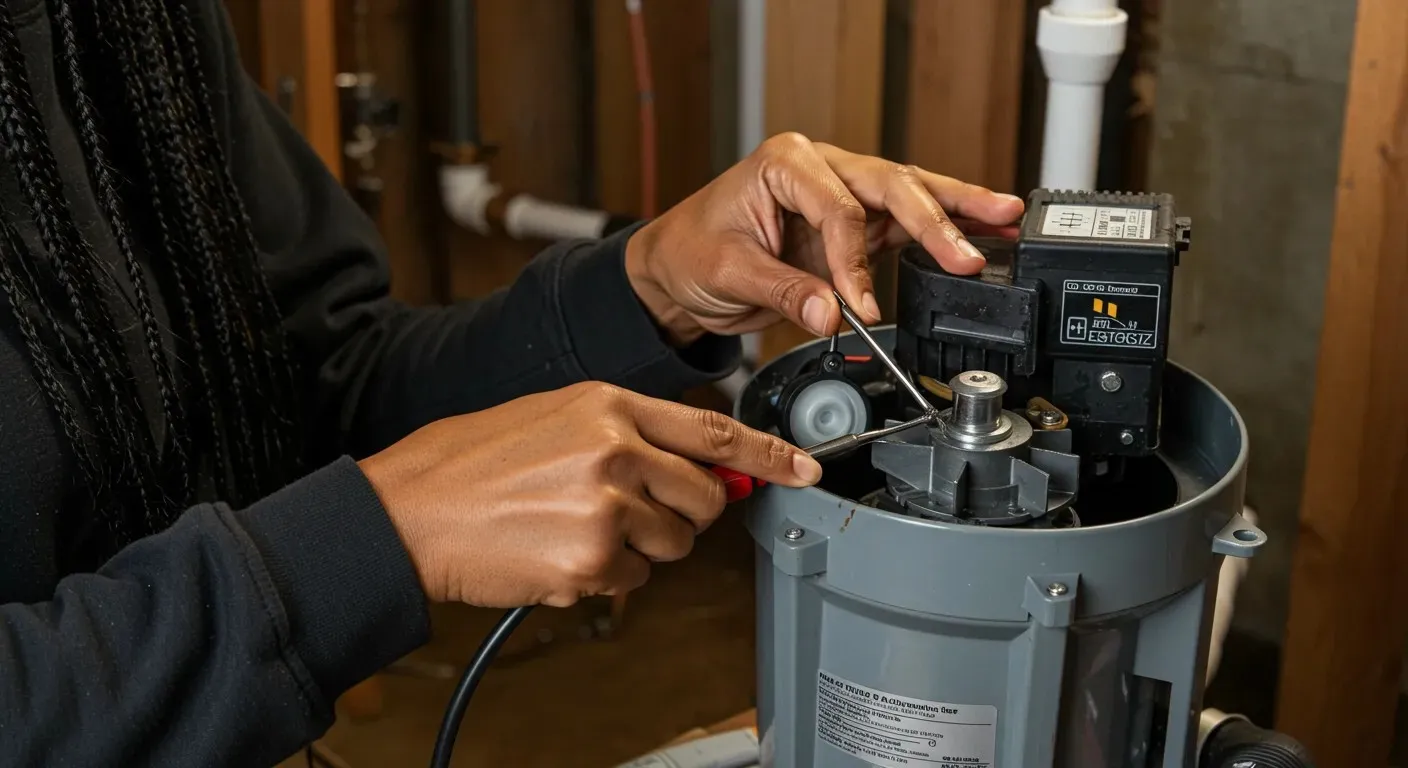
- Installing pump, float switch(s), check valve(s), and discharge piping.
- Routing and securing discharge line to approved outlet with erosion control.
- Installing battery backup and/or secondary pump if chosen; wiring to a dedicated GFCI outlet or transfer switch per code.
- Electrical work completed to code, including conduit where required and alarm systems if used.
- Backfill, clean-up, and sealing around pit.
- Final inspection and permitting sign-off if applicable.
Post-installation testing and homeowner expectations
- After installation, a full test run is performed: pump runtime, flow rate, check valve operation, amp draw, and automatic switch activation. Backup systems are tested by simulating power loss.
- Expect minimal disruption during a professional install: excavation for the pit and discharge trench, short downtime for utility marking, and some noise during setup. Typical installs can range from a few hours to a full day depending on complexity.
- Homeowner receives a demonstration of system operation, maintenance tips, and a written overview of components and warranties.
Maintenance, warranties, and financing options
- Routine maintenance: clean the pit and check for debris every 6–12 months, test pumps and alarms quarterly, and replace batteries per manufacturer recommendations.
- Warranties: manufacturer warranties cover mechanical and electrical defects; ask about workmanship warranties that protect installation-specific issues.
- Financing: many homeowners choose flexible financing or payment plans to spread the cost of a comprehensive system including battery backup and proper discharge work. Financing options can be discussed through local providers and should include terms and coverage details.
Final considerations for Combine homeowners
Installing a properly sized, code-compliant sump pump system is a proactive investment in your home’s structural integrity and indoor air quality. In Combine, TX, where intense storm events and drainage challenges are common, thoughtful site assessment, durable equipment selection, and reliable backup power are the key elements that separate a temporary fix from a long-term solution. Regular testing and preventative maintenance will extend the life of the system and reduce the risk of costly water damage down the road.

Customer Testimonials

Robert with Macks Plumbing has saved my repair/reno project so much time and money by finding the problems that other plumbers couldn’t. He is easy to work with, direct and honest. Couldn’t recommend him with more confidence.
Quick response, knowledgeable and courteous. Techs that came for water heater made sure everything cleaned up and working properly. Will use Mack's again when I need work in future.
Excellent service. Prompt & professional. Great communication on arrival time and repairs needed. Easy to work with. We will use them again.
Showed before the expected time and both guys were polite, knowledgeable and more than ready to get the job done. I will definitely be using them again and recommending them to everyone I can!

Financing
We make it easy to get the plumbing services you need with flexible financing options through Wisetack, including zero down plans with approved credit.