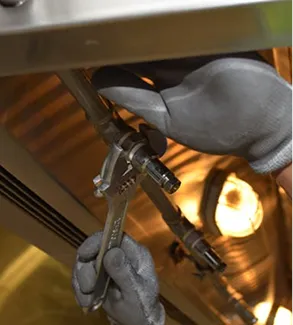


Water Softener System in Scurry, TX
Improve your water quality with a water softener system in Scurry, TX from Mack’s Plumbing, TX LLC. Reduce hard water issues and protect your plumbing.


Water Softener System in Scurry, TX
Hard water is common across North Texas, and homes in Scurry, TX often experience the mineral buildup, dry skin, and reduced appliance life that come with it. A properly selected and maintained water softener system in Scurry, TX protects plumbing, improves detergent performance, and restores water comfort throughout your home.
Why Scurry homes need a water softener
- Groundwater in the Scurry and Kaufman County area typically contains elevated levels of calcium and magnesium that cause scale.
- Scale accumulates fastest in hot-water appliances — water heaters and irrigation equipment are especially vulnerable in the hot Texas climate.
- Hard water leads to increased soap and detergent use, dingy laundry, spotty dishes, dry skin and hair, and costly plumbing repairs over time.
Common water softener options and how they compare
- Salt-based ion exchange softeners (traditional):
- Best at removing hardness minerals (calcium, magnesium) reliably.
- Use a resin tank and periodic brine regeneration to recharge the resin.
- Effective for homes with higher hardness levels and well water that may also contain iron.
- Salt-free conditioners (template-assisted crystallization or TAC):
- Reduce scale formation by converting hardness crystals so they do not adhere to surfaces.
- Require less routine maintenance and no salt, but do not remove dissolved minerals.
- Good option for homeowners wanting lower maintenance or concerned about sodium in discharge.
- Dual-tank / metered systems:
- Provide continuous soft water (no downtime during regeneration).
- Metered (demand-initiated) systems regenerate only as needed, saving water and salt.
- Specialty setups:
- Systems combined with iron filters, sediment pre-filters, or reverse osmosis for drinking water when well water or municipal feed has additional contaminants.
Hardness testing and diagnosis
- Start with a hardness test measured in grains per gallon (gpg) or parts per million (ppm). Home test kits or lab tests will confirm levels.
- For Scurry homes, also test for iron, manganese, and pH; iron levels affect resin life and may require an iron-specific pre-filter.
- A proper diagnosis includes mapping household water usage (number of occupants, typical daily gallons) and locating the preferred installation spot (utility closet, garage, or near main water line).
Sizing and selecting the right system
- Select a softener based on household hardness and daily water usage. The correct grain capacity ensures the system regenerates at reasonable intervals and handles peak demand.
- Consider:
- Household size and lifestyle (laundry frequency, irrigation usage).
- Water source: well water often needs additional filtration.
- Available space and drain access for regeneration discharge.
- In Scurry, factor in irrigation and outdoor water use during hot months when consumption can spike.
Installation essentials and regeneration cycles
- Installation involves placing the resin tank, brine tank (if salt-based), a bypass valve, and connecting a drain and electrical or low-voltage controller.
- Regeneration options:
- Time-clock systems regenerate on a set schedule (can waste salt/water if usage varies).
- Demand-initiated regeneration (DIR) uses an electronic meter to regenerate only when capacity is used — more efficient for varying household patterns.
- Regeneration steps generally include backwash, brine draw, slow rinse, and fast rinse. Proper drain sizing and route are important to prevent backups.
- For homes with high iron, pre-flush and specialized backwash settings protect the resin and maintain performance.
Routine maintenance and common issues
- Salt refill schedule: Frequency depends on household use and hardness; check salt levels monthly until a pattern is established. Use recommended salt types (pellets or crystals) and avoid rock salt if you have iron issues.
- Salt bridging: In hot or humid storage areas, salt can form a crust. Break bridged salt carefully and keep the brine tank covered and dry.
- Cleaning: Sanitize the brine tank and resin bed periodically and when contamination or odor is detected. Resin typically lasts a decade or longer but can degrade with iron or chlorine exposure.
- Annual checks: Test softened water, monitor regeneration cycles, and inspect valves, timers, and drain lines.
- Troubleshooting common problems in Scurry-area homes:
- Softener not regenerating: check power, controller settings, or a clogged injector/nozzle.
- Salty tasting water: possible stuck refill, excessive salt, or overflow — inspect the brine tank and bypass valve.
- Low water pressure: could be sediment in the inlet screen or a clogged pre-filter.
- Scale returning: may indicate a bypass valve left open, resin exhaustion, or very high iron levels that need addressing.
Benefits specific to Scurry, TX homeowners
- Reduced scale in water heaters, which improves energy efficiency and extends equipment life — important under heavy summer use.
- Less frequent plumbing repairs and fewer clogs in irrigation lines and fixtures.
- Softer laundry, brighter dishes, and reduced detergent requirements — helpful with high mineral loads common locally.
- Improved comfort for skin and hair in a region that already stresses moisture balance due to hot summers.
Cost considerations, warranties, and financing options
- Cost is influenced by system type (salt-based vs salt-free), capacity, additional filtration needs (iron or sediment filters), and installation complexity.
- Many manufacturers offer warranties on tanks and resin, and local installers typically provide workmanship guarantees; confirm length and coverage details before purchase.
- Financing and payment plans are commonly available through local service providers to spread installation costs over time; review terms and warranty interplay when selecting a plan.
Quick maintenance checklist for Scurry homes
- Test water hardness annually and after any system servicing.
- Check salt level monthly; remove salt bridges as needed.
- Clean or replace sediment pre-filters every 3–12 months.
- Sanitize brine tank and inspect resin every 1–2 years (sooner if iron is present).
- Verify regeneration settings match household use and adjust seasonally for higher summer consumption.
Well-planned selection, correct sizing, and timely maintenance of a water softener system in Scurry, TX protect your home’s plumbing and appliances, improve water quality, and reduce long-term costs associated with hard water damage. Proper diagnosis — especially for well water or high-iron supplies — ensures the system you choose delivers soft, usable water year-round.

Customer Testimonials

Robert with Macks Plumbing has saved my repair/reno project so much time and money by finding the problems that other plumbers couldn’t. He is easy to work with, direct and honest. Couldn’t recommend him with more confidence.
Quick response, knowledgeable and courteous. Techs that came for water heater made sure everything cleaned up and working properly. Will use Mack's again when I need work in future.
Excellent service. Prompt & professional. Great communication on arrival time and repairs needed. Easy to work with. We will use them again.
Showed before the expected time and both guys were polite, knowledgeable and more than ready to get the job done. I will definitely be using them again and recommending them to everyone I can!

Financing
We make it easy to get the plumbing services you need with flexible financing options through Wisetack, including zero down plans with approved credit.