

Water Filtration Installation in Scurry, TX
Water filtration installation in Scurry, TX delivers safe water with whole-house or point-of-use solutions. Learn more.

Water Filtration Installation in Scurry, TX
Clean, safe water is one of the most important upgrades you can make for a Scurry home. Professional water filtration installation removes unpleasant taste and odor, reduces contaminants, and protects plumbing fixtures and appliances from scale and sediment. Whether you need a whole-house system to protect every tap or a point-of-use filter for drinking water, the right installation starts with a proper water-quality assessment and system sizing specific to Scurry, TX conditions.
Common water-quality issues in Scurry, TX
Homes in Scurry and surrounding Kaufman County commonly face:
- Hard water (high mineral content) that causes scale buildup on fixtures and shortens appliance life.
- Chlorine or chloramine tastes and odors from municipal treatment.
- Iron, sulfur (rotten-egg odor), or manganese in some private wells.
- Sediment and turbidity spikes after heavy rains and runoff that affect wells and older distribution systems.
- Trace contaminants such as lead from older plumbing or elevated nitrates in agricultural areas.
Identifying which of these issues affect your house is the first step to selecting the right filtration solution.
Whole-house vs point-of-use: which is right?
- Whole-house (point-of-entry) systems treat all incoming water and protect plumbing, water heaters, laundry, and showers. Best when you want to remove sediment, chlorine, or reduce hardness-related scale for the entire home.
- Point-of-use systems (under-sink filters, countertop units, or reverse osmosis) focus on drinking and cooking water. They deliver higher-level contaminant reduction (like lead, VOCs, and some dissolved solids) at specific taps.
Many Scurry homes benefit from a combination: a whole-house pre-filter plus a targeted under-sink or RO system for drinking water.
Water-quality assessment and system sizing
Proper installation begins with a detailed assessment:
- Water source identification — municipal supply or private well; each has different contaminant profiles and regulatory testing available.
- Sample testing — basic tests for hardness, pH, chlorine/chloramines, iron, manganese, nitrates, total dissolved solids (TDS), and bacteria where indicated. Advanced lab tests can be ordered if specific concerns exist.
- Flow rate and pressure check — measure peak household flow (gallons per minute) and static/operating pressure to size filters and determine if pressure tanks, regulators, or bypass valves are needed.
- Plumbing layout review — evaluate the main incoming line, available installation space, drain access (for RO and backwash systems), and electrical access if the system requires power.
Sizing decisions depend on household water usage, number of fixtures, and contaminant load. For example, a family with multiple bathrooms and a high-sediment well will need higher-capacity pre-filtration than a single-person household on municipal water.
Step-by-step installation process
A professional installation typically follows these steps:
- Site preparation: locate the main water line, confirm shutoff valves, and clear installation area.
- Pre-install testing: perform point-of-entry flow and pressure checks and confirm water test results.
- Mounting and plumbing: install the filtration unit(s) at the chosen location—whole-house systems at the main line, point-of-use beneath sinks or at fridge/water dispenser lines.
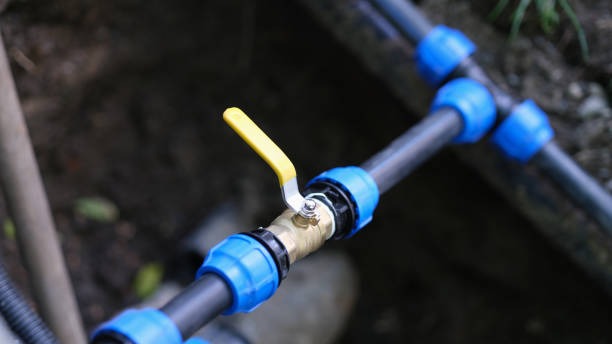
- Bypass and shutoff integration: install a bypass valve so you can isolate the system for service without disrupting water to the home.
- Drain and power connections: connect drain lines for systems that require flushing (RO, backwashing filters) and make any required electrical connections per code.
- System start-up and flushing: initially flush the filters to remove manufacturing debris, then run tests to verify reduction of targeted contaminants and confirm proper pressure and flow.
- Final testing and documentation: provide post-install test results and explain maintenance schedule and filter replacement intervals.
Technicians follow local plumbing codes and best practices to minimize disruption and ensure the system performs as specified.
Typical timeline
- Point-of-use installations (under-sink filters or countertop units): commonly completed within a few hours.
- Whole-house installs: often completed in one day for standard systems; complex setups (multiple tanks, water softeners, or well-treatment systems) may require a full day or a multi-day visit.
- Post-install testing and adjustments may add a short follow-up visit if additional tuning is needed.
Exact timing depends on system complexity, plumbing accessibility, and whether additional repairs or pre-treatment (such as sediment tanks) are required.
Warranty and maintenance needs
- Warranties vary by manufacturer and component. Most mechanical parts and tanks have manufacturer coverage while consumables (cartridges and membranes) are not typically covered beyond defects.
- Routine maintenance is essential: cartridge or media replacement schedules depend on water quality and use. Typical intervals are quarterly to annually for pre-filters and every 2–5 years for main media or RO membranes, but testing-driven schedules are more reliable.
- Annual inspections are recommended to check pressure differentials, flow rates, and to perform water testing that confirms continued contaminant reduction.
- Keep records of filter changes and test results—this preserves warranty coverage and helps detect changes in source water over time.
Benefits for Scurry homes
- Improved taste and odor — removes chlorine, sulfur, and organic compounds that affect everyday use.
- Health and safety — targeted systems reduce lead, nitrates, and other contaminants when present.
- Extended plumbing and appliance life — removing sediment and reducing hardness decreases scale buildup and service calls for water heaters and dishwashers.
- Consistent water quality during weather events — properly sized pre-filters help prevent turbidity and sediment issues after storms common in North Texas.
- Peace of mind for well owners — tailored treatment plans address bacteria, iron, and nitrate risks associated with private groundwater sources.
Maintenance tips for lasting performance
- Test well water annually and municipal taps every 1–3 years or after any noticeable change in taste, smell, or clarity.
- Replace pre-filters when pressure drops or per the manufacturer schedule; waiting too long reduces system performance and can overload downstream components.
- Keep easy access to service valves and document when each filter or membrane is replaced.
- Consider installing a sediment pre-filter if your area experiences seasonal turbidity or if you have an older distribution line.
A professionally planned and installed water filtration system provides reliable, long-term improvements to water quality in Scurry, TX homes. With the right assessment, configuration, and maintenance plan tailored to local conditions, homeowners get consistently better-tasting, safer water at every tap.

Customer Testimonials

Robert with Macks Plumbing has saved my repair/reno project so much time and money by finding the problems that other plumbers couldn’t. He is easy to work with, direct and honest. Couldn’t recommend him with more confidence.
Quick response, knowledgeable and courteous. Techs that came for water heater made sure everything cleaned up and working properly. Will use Mack's again when I need work in future.
Excellent service. Prompt & professional. Great communication on arrival time and repairs needed. Easy to work with. We will use them again.
Showed before the expected time and both guys were polite, knowledgeable and more than ready to get the job done. I will definitely be using them again and recommending them to everyone I can!

Financing
We make it easy to get the plumbing services you need with flexible financing options through Wisetack, including zero down plans with approved credit.