

Sump Pump Maintenance in Kemp, TX
Keep your system running reliably with sump pump maintenance in Kemp, TX. Prevent failures protect your home and extend pump lifespan.

Sump Pump Maintenance in Kemp, TX
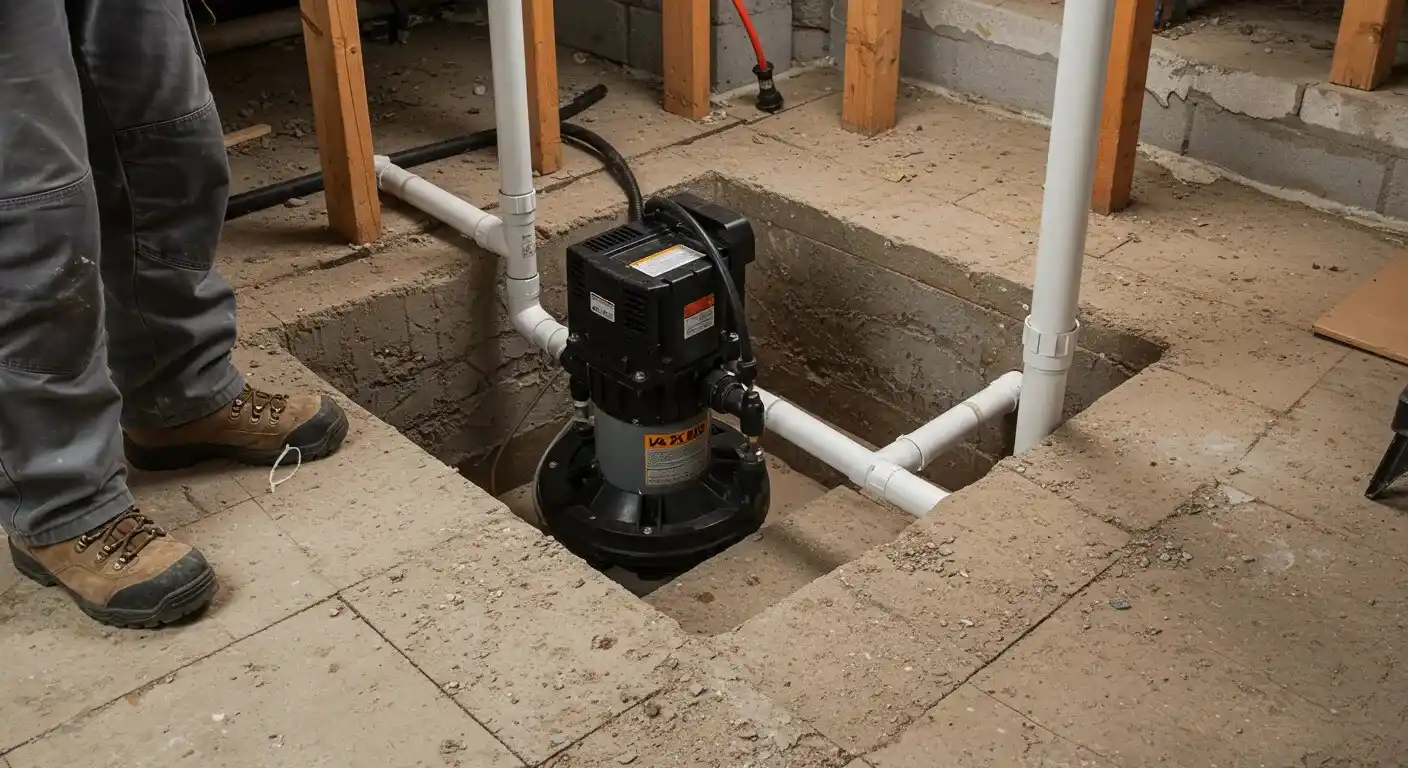
A reliable sump pump is one of the most effective protections against basement and crawlspace flooding in Kemp, TX. With spring and summer storms, occasional flash flooding, and the higher groundwater levels near Cedar Creek Lake, routine sump pump maintenance is essential to protect your home’s foundation, HVAC equipment, and stored belongings. Professional sump pump maintenance in Kemp, TX focuses on preventing failures before they happen by inspecting critical components, cleaning the pit, testing backup systems, and recommending timely repairs or replacements.
Common sump pump problems in Kemp, TX homes
- Clogged pump pit or intake: Sediment, sand, and debris collect faster in clay-rich soils common to Kaufman County, causing reduced flow or pump strain.
- Sticking or broken float and switch: Sediment, corrosion, or misalignment prevents proper pump activation, leading to infrequent cycling or continuous running.
- Discharge line blockages or freezing: Leaves, ice (in colder snaps), or disconnected piping can prevent water discharge away from the foundation.
- Power outages during storms: Rain-driven outages are a frequent cause of sump pump failure without a functioning battery backup.
- Failed check valve: A damaged or missing check valve allows discharged water to flow back into the pit, causing short cycling and wear.
- Worn motor or impeller: Age and heavy use degrade pump performance; older pumps may not keep up with high inflow during heavy storms.
- Alarm or control failures: Nonworking alarms leave homeowners unaware of pump malfunctions until damage occurs.
What professional sump pump maintenance includes
- Seasonal inspection of the sump basin and surrounding area to assess buildup and foundation drainage.
- Pit cleaning and debris removal to ensure unobstructed intake and float movement.
- Float and switch testing, including manual actuation and observation of automatic cycles.
- Discharge line and check valve inspection, clearing blockages, and confirming proper slope and outlet location.
- Battery backup testing: load test, battery condition check, and inspection of charging system and transfer switch.
- Alarm system and control panel checks to ensure visible and audible alerts function.
- Electrical inspection: verifying wiring, GFCI protection, and power connections for safety and reliability.
- Performance test under water to measure cycle times, motor current draw, and discharge rate where applicable.
- Documentation of findings and recommendations for repairs, replacements, or upgrades.
Diagnostic process: what technicians look for and why it matters
A thorough diagnostic goes beyond a quick run test. Technicians will:
- Visually inspect the basin for corrosion, cracks, and sediment layers that reduce capacity.
- Manually operate the float to confirm free movement and observe automatic cycling to check start/stop behavior.
- Measure electrical load to determine motor strain, which indicates worn bearings or impeller damage.
- Trace the discharge piping from the pump to the outlet to find obstructions, improper routing, or signs of freezing or backflow.
- Test the battery backup by simulating a power outage and observing run time and charger performance.
- Verify the check valve operation to prevent short cycling and reduce wear.This systematic approach identifies small issues that, if left unaddressed, can quickly escalate into full pump failure during heavy rain.
Typical repairs and solutions explained simply
- Float or switch replacement: Restores reliable on/off cycling when sticking or electrical failure is present.
- Pit cleaning and resealing: Removes abrasive sediment and reseals cracked basins that can leak water into surrounding soils.
- Check valve or discharge repair: Prevents backflow and improves pump efficiency by ensuring water flows away from the home.
- Battery replacement or upgrade: Ensures backup runs long enough during extended outages; many batteries have a 3 to 5 year useful life.
- Complete pump replacement: Recommended when the pump shows reduced capacity, excessive current draw, or when age (commonly beyond 7 to 10 years) predicts imminent failure.
- Installing a secondary backup system: Adding a battery, generator-ready transfer, or water-powered backup reduces the risk of flooding when the main pump or power fails.
- Alarm or control panel replacement: Restores early-warning systems so homeowners are alerted to pump or high-water conditions.
Sump pump maintenance plans and service agreements in Kemp, TX
A maintenance plan bundles regular inspections and priority servicing to keep systems dependable year-round. Typical program features homeowners can expect:
- Scheduled seasonal inspections with written service reports
- Priority scheduling during storm events or emergencies
- Regular battery and alarm checks included in visits
- Maintenance history log to support home insurance or resale documentation
- Tailored intervals based on your property: high-risk locations near creeks or low-lying lots receive more frequent attentionService agreements make upkeep predictable and reduce the likelihood of emergency repairs following heavy rainfall.
Recommended maintenance schedule for Kemp, TX
- Monthly (homeowner): Quick visual check of the basin, confirm the pump will start by lifting the float, and ensure discharge outlet is clear.
- Twice annually (professional): Full inspection and testing in spring and fall before the primary storm and rainy seasons.
- Annual (professional): Complete performance test, electrical check, and pit cleaning if sediment accumulation warrants it.
- Battery backup: Test quarterly and load test before major storm seasons; replace batteries every 3 to 5 years depending on usage and manufacturer guidance.
- Pump replacement: Evaluate at year 7 and plan replacement by year 10 or sooner if diagnostic tests show declining performance.
- After significant storms: Schedule an inspection to confirm no damage, clogs, or changes to discharge routing.
Benefits of preventive sump pump upkeep
- Reduced risk of basement flooding and associated mold, structural damage, and ruined personal property.
- Longer equipment life and fewer emergency replacements through early detection of wear.
- Lower long-term costs by avoiding major water damage repairs and mold remediation.
- Documentation of regular maintenance can support insurance claims or improve resale value.
- Peace of mind in a region where sudden storms and high groundwater can quickly overwhelm an unmaintained system.
Regular, professional sump pump maintenance in Kemp, TX protects your home from the local weather and soil conditions that elevate flood risk. Consistent inspections, pit cleaning, float and switch testing, discharge and check valve checks, and battery backup testing are the core actions that keep a sump system dependable when you need it most.

Customer Testimonials

Robert with Macks Plumbing has saved my repair/reno project so much time and money by finding the problems that other plumbers couldn’t. He is easy to work with, direct and honest. Couldn’t recommend him with more confidence.
Quick response, knowledgeable and courteous. Techs that came for water heater made sure everything cleaned up and working properly. Will use Mack's again when I need work in future.
Excellent service. Prompt & professional. Great communication on arrival time and repairs needed. Easy to work with. We will use them again.
Showed before the expected time and both guys were polite, knowledgeable and more than ready to get the job done. I will definitely be using them again and recommending them to everyone I can!

Financing
We make it easy to get the plumbing services you need with flexible financing options through Wisetack, including zero down plans with approved credit.