

Sump Pump Installation in Rosser, TX
Rosser, TX sump pump installation helps prevent flooding and water damage. Learn about our tailored installation process and request a free quote today.
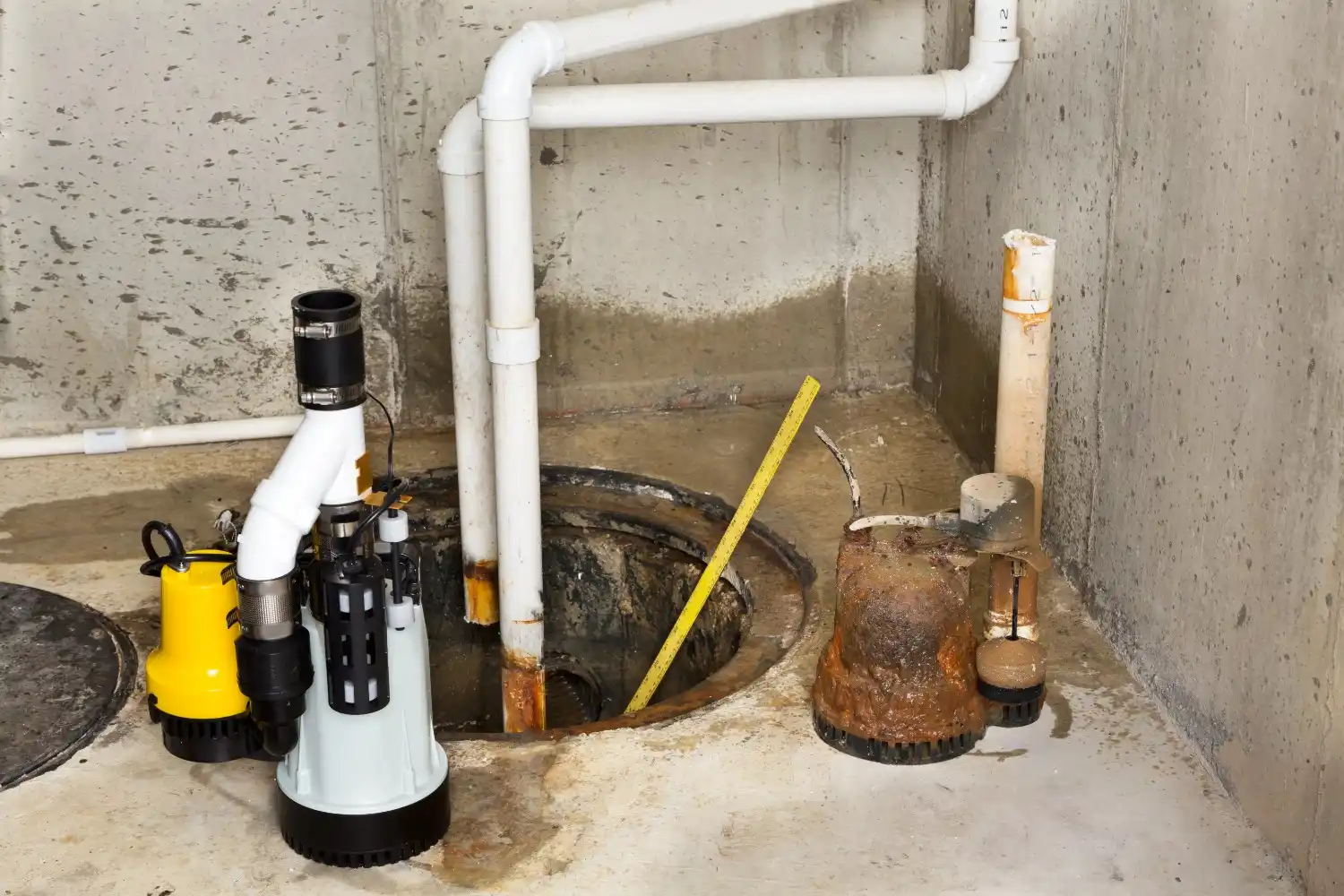

Rosser, TX sump pump installation guide explains how a properly designed system protects basements and crawlspaces from heavy rains, runoff, and power outages. It covers site assessment, pit preparation, choosing submersible versus pedestal pumps and capacity, battery backups and alarms, permitting, step-by-step installation, warranties, financing, and ongoing maintenance. Readers will learn how to select a solution tailored to their home’s layout and local weather, ensure code-compliant installation, and achieve reliable protection against water intrusion.
Sump Pump Installation in Rosser, TX
Protecting your basement or crawlspace from water damage starts with the right sump pump system installed correctly for local conditions. In Rosser, TX, where intense summer storms, heavy downpours, and localized runoff can quickly overwhelm poor drainage, a properly designed sump pump installation prevents flooding, mold, and foundation issues.
Why a sump pump matters in Rosser, TX
- North Texas weather brings sudden, heavy rains and occasional flash flooding that can saturate yards and force water into low points like basements and crawlspaces.
- Local soil types often hold water near foundations, increasing hydrostatic pressure and the risk of seepage.
- Power outages during storms make backup power and alarm options essential to avoid costly water damage.
Common sump pump issues and types of installation services
Homeowners typically seek installation when they notice:
- Standing water or recurring dampness in a basement or crawlspace
- Musty odors, peeling paint, or efflorescence on foundation walls
- Previous pump failures or an existing system that is undersized or outdated
Installation services commonly provided: - New sump pit and pump installation for basements or crawlspaces
- Replacement of old or failing pumps (submersible or pedestal)
- Installation of battery backup systems and high-water alarms
- Upgrading discharge lines, check valves, and pit liners for reliable operation
- Permitting, inspections, and code-compliant electrical hookups
Site assessment and pit preparation
A thorough site assessment in Rosser homes evaluates:
- Location and depth of the lowest interior point where water collects
- Soil drainage and proximity to downspouts, gutters, or low-lying areas
- Foundation type (basement, partial basement, or crawlspace) and available access
- Electrical access for the pump and backup power needs
Pit preparation includes:
- Excavation of a properly sized sump pit to industry-standard dimensions
- Installation of a durable pit liner to prevent collapse and soil intrusion
- Compacting and leveling the base with washed stone to ensure stable seating
- Ensuring the pit location permits efficient discharge routing away from the foundation
Selecting the right pump: submersible vs pedestal and capacity
Choosing the proper pump depends on layout and expected water load:
- Submersible pumps sit inside the pit and are quieter, more powerful, and better for deeper pits and frequent heavy flow. They are the most common choice for Rosser basements subject to storm runoff.
- Pedestal pumps have a motor above the pit and are easier to service; they are a practical option for shallow pits or where quieter operation in a living area is less critical.
Capacity considerations (explained simply): - Pumps are rated by horsepower and flow (gallons per minute). The right size is based on pit volume, vertical lift (how far water must be pumped), and worst-case rainfall/runoff scenarios for your property. Typical residential installs use pumps from 1/3 HP to 1 HP depending on needs.
Battery backups and alarm options
Because storm-related power outages commonly coincide with heavy rains, backup and notification systems are highly recommended:
- Battery backup pumps: automatically take over when primary pump or power fails. Battery runtime depends on pump draw and battery capacity—critical in storm-prone Rosser conditions.
- Combination backup systems: include a secondary pump and dedicated battery/inverter for extended runtime.
- High-water alarms: audible alerts and optional wireless notifications warn you of pump failure or excessive water levels before major damage occurs.
Permitting and code compliance
Installations follow local building and electrical codes. Typical steps:
- Confirm whether a permit is required through Kaufman County or the Town of Rosser (permits are commonly required for new sump installations and electrical work).
- Ensure discharge routing complies with local regulations—discharge must direct water away from foundations and not create nuisance runoff to neighbors or public rights-of-way.
- Electrical connections meet NEC standards and local inspection requirements for safety and code compliance.
Step-by-step installation process
A professional installation typically follows these steps:
- Site assessment and measurements to determine pit location and layout
- Excavate and prepare the pit; install liner and base stone
- Set pump on stable bedding, connect float switch and secure wiring to approved junction box
- Install discharge piping, check valve, and route line to a gravity or high-point discharge away from the house
- Test pump operation, float action, and check valve; verify discharge path during full pump cycle
- Install battery backup and alarm (if selected) and test failover performance
- Final inspection and documentation to satisfy permitting requirements
Typical timeline: same-day site assessment, permit timeline varies (often a few days), and the physical installation commonly completed in one workday for standard residential setups.
Warranties and expected reliability
- Manufacturer warranties: typically cover pump motor and components for a specified period (often 1–5 years depending on brand and model).
- Installation/service warranties: reputable installations include a labor warranty covering workmanship for a stated period.
- Routine maintenance (annual checks, float cleaning, and testing) significantly extends service life and maintains warranty compliance.
Financing options and selecting the best solution
- Flexible financing programs are commonly available to spread the cost of a comprehensive sump pump system, including battery backups and upgrades. Those options are helpful for homeowners facing urgent replacements after storm damage.
- To choose the best solution for your basement or crawlspace, weigh these factors:
- Frequency and severity of water intrusion on your property
- Depth and size of the pit available for pump placement
- Need for backup power based on local outage history
- Long-term reliability vs upfront cost—investing in a higher-capacity pump and backup can prevent costly repairs later
Maintenance tips and long-term benefits
Simple maintenance keeps systems reliable:
- Test the pump and backup system twice a year and after heavy storms
- Keep the sump pit free of debris and check the float switch for free movement
- Ensure discharge lines remain clear and slope away from the foundation
Benefits of a properly installed sump pump: - Prevents structural damage, mold growth, and property loss
- Lowers long-term maintenance costs by removing standing water quickly
- Provides peace of mind during Rosser’s storm season
Choosing the right sump pump system for Rosser, TX means matching pump type and capacity to your home’s unique layout and local weather conditions, ensuring code compliance, and considering backup power and alarm options. Proper installation and routine maintenance deliver reliable protection against the region’s heavy rains and localized flooding risks.

Customer Testimonials

Robert with Macks Plumbing has saved my repair/reno project so much time and money by finding the problems that other plumbers couldn’t. He is easy to work with, direct and honest. Couldn’t recommend him with more confidence.
Quick response, knowledgeable and courteous. Techs that came for water heater made sure everything cleaned up and working properly. Will use Mack's again when I need work in future.
Excellent service. Prompt & professional. Great communication on arrival time and repairs needed. Easy to work with. We will use them again.
Showed before the expected time and both guys were polite, knowledgeable and more than ready to get the job done. I will definitely be using them again and recommending them to everyone I can!

Financing
We make it easy to get the plumbing services you need with flexible financing options through Wisetack, including zero down plans with approved credit.