

Burst Pipe Repair in Kemp, TX
Burst Pipe Repair Kemp, TX: fast emergency plumbing response with quick leak isolation and clear insurance-ready documentation.

Burst Pipe Repair in Kemp, TX
A burst pipe is one of the most urgent plumbing problems a homeowner can face. In Kemp, TX, even a short delay in stopping a major leak can lead to soaked framing, ruined flooring, drywall damage, and early mold growth because many local homes have wood framing and porous finishes.
Why rapid response matters
A fast, professional response limits structural damage, reduces repair scope, and lowers restoration costs. Water moves quickly through floors and walls and can compromise insulation and electrical systems. In Kemp, where seasonal cold snaps occasionally freeze pipes and hot humid months can hide slow leaks, rapid isolation and drying are critical to prevent secondary damage like mold.
Common burst pipe causes in Kemp, TX
Understanding typical causes helps identify risk and preventive steps. Common issues we see in this region include:
- Freezing and thaw cycles: North Texas sees occasional extreme cold events that can freeze exterior or poorly insulated pipes, causing them to rupture when ice expands.
- Corrosion and age: Older homes with galvanized or aging copper piping can weaken over time and fail under normal pressure.
- High pressure and water hammer: Pressure spikes from municipal supply or well pumps can stress joints and fittings until a pipe bursts.
- Ground shifting and settling: Local soil movement after heavy rains or drought can stress buried lines or joints.
- Mechanical damage: Nails, screws, remodel work, or pest activity can puncture or weaken pipes behind walls or under floors.
Emergency burst pipe response and rapid leak isolation
When a burst occurs, the immediate goal is to stop the flow of water and limit damage. A professional emergency response typically includes:
- Quick assessment: Locate the leak source and determine the extent of active flow and affected areas.
- Shut off water: Isolate the property by closing the main shutoff valve or specific branch valves. If a main valve is inaccessible, technicians may use temporary interior isolation to stop flow.
- Electrical safety check: Verify power to affected areas is safe to prevent shock or fire hazards from wet junctions or appliances.
- Temporary stabilization: Apply pipe clamps, compression fittings, or pipe sleeves to stop or slow flow until permanent repairs can be made.
- Initial mitigation: Remove standing water, set up extraction and drying equipment, and protect adjacent areas from further water intrusion.
These steps prioritize safety and containment so full repairs can proceed with minimal additional damage.
Temporary stabilization and on-site fixes
Temporary measures are intended to buy time until a permanent repair can be completed:
- Mechanical clamps and sleeves for copper or steel pipes
- Push-fit repair couplings for quick, code-compliant stops on many materials
- Epoxy or resin repairs for small hairline cracks as short-term fixes
- Isolation of damaged sections and rerouting water through alternate lines when possible
Technicians assess whether a temporary fix is appropriate or if immediate replacement is required, based on pipe condition, location, and risk of recurrence.
Full pipe replacement options
Permanent solutions vary with material, access, and homeowner goals. Common replacement options:
- Sectional replacement: Replace only the damaged segment when the rest of the piping is in good condition.
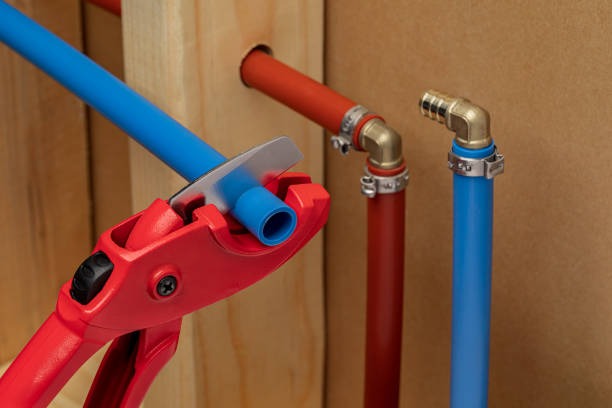
- Repipe with PEX: Flexible, freeze-resistant, and faster to install in retrofit work. PEX minimizes joints and is often recommended for durability.
- Copper replacement: Long-lasting and familiar; used when matching existing runs or for specific code reasons.
- PVC or CPVC for drain and vent lines: Common for non-pressurized waste systems.
- Rerouting: When access is difficult, carefully planned reroutes can avoid destructive demolition while restoring supply.
Technicians will explain tradeoffs: lifespan, cost, disruption, and whether a partial or full repipe is the most reliable long-term solution.
Water mitigation and cleanup coordination
A successful repair often requires concurrent water damage control:
- Extraction: Rapid removal of standing water to limit saturation.
- Drying and dehumidification: Use of commercial dryers and dehumidifiers, plus moisture monitoring to confirm surfaces are dry.
- Controlled demolition: Removal of unsalvageable drywall, insulation, or flooring to prevent mold.
- Coordination with restoration crews: Align plumbing repairs with restoration timelines to avoid repeated openings.
- Post-repair verification: Moisture readings, photos, and a signed scope of mitigation work to show areas are dry and ready for rebuild.
Timely mitigation reduces the chance of mold and speeds the timeline to complete repairs.
Insurance documentation and support
Dealing with insurance after a burst pipe is stressful. Professionals provide documentation that insurers typically require:
- Time-stamped photos and videos of the leak, damage, and drying process
- Written repair estimates and scope of work for both plumbing and mitigation
- Moisture meter and hygrometer readings showing pre- and post-drying conditions
- Material lists and work logs for code compliance and permit support
- Explanation of cause to differentiate sudden accidental damage from gradual wear
This documentation helps homeowners present a clear claim and supports accurate coverage decisions.
Prevention tips for Kemp, TX homeowners
Reducing burst pipe risk takes a few practical steps suited to local conditions:
- Insulate exposed pipes, especially in attics, crawlspaces, and exterior walls prone to cold.
- Drain and shut off exterior faucets and sprinkler lines before winter.
- Maintain consistent indoor temperatures in winter and keep cabinet doors open under sinks to allow warm air circulation.
- Install a pressure regulator if system pressure exceeds recommended limits and consider a water hammer arrestor to prevent spikes.
- Replace old galvanized piping and proactively repipe aging systems with PEX or copper when corrosive wear is evident.
- Know the location of your main shutoff and test it periodically.
- Install smart leak detectors and automatic shutoff valves to stop leaks fast when you are away.

Customer Testimonials

Robert with Macks Plumbing has saved my repair/reno project so much time and money by finding the problems that other plumbers couldn’t. He is easy to work with, direct and honest. Couldn’t recommend him with more confidence.
Quick response, knowledgeable and courteous. Techs that came for water heater made sure everything cleaned up and working properly. Will use Mack's again when I need work in future.
Excellent service. Prompt & professional. Great communication on arrival time and repairs needed. Easy to work with. We will use them again.
Showed before the expected time and both guys were polite, knowledgeable and more than ready to get the job done. I will definitely be using them again and recommending them to everyone I can!

Financing
We make it easy to get the plumbing services you need with flexible financing options through Wisetack, including zero down plans with approved credit.