




Safe Gas Leak Detection and Repair Services in Forney, Terrell, and Dallas, TX: Expert Solutions for Homeowners and Businesses
Gas leak detection and repair means locating a hazardous natural gas release, isolating the source, and restoring safe, code-compliant service to a property; it is a critical safety service for both homes and businesses in Forney, Terrell, and Dallas. This article explains how to recognize leaks, the immediate steps to protect people and property, and the professional methods used to locate and fix leaks safely while complying with standards such as NFPA 54 and local authority guidance. Readers will learn common signs like mercaptan (the “rotten egg” odor), hissing sounds, and visual clues, plus a clear emergency checklist for evacuation and notification. We will also cover professional detection technologies, repair workflows, material options and lifespans, cost factors with industry ranges for the DFW area, and preventative inspection strategies that reduce risk and insurance exposure. Practical lists, three comparison tables, and step-by-step procedures are included so property owners and facility managers can act quickly and know when to call qualified professionals. The guidance blends technical explanation with local considerations and points where licensed services and emergency response fit into the safety plan.
What Are the Common Signs of a Gas Leak in Texas Homes and Businesses?
A gas leak typically manifests through distinct sensory and environmental signals that indicate pressurized natural gas escaping a system; noticing these signs early reduces danger and speeds corrective action. The primary mechanism is the release of natural gas that has been odorized with mercaptan so it becomes detectable by smell, but other clues include pressure-driven sounds, physical effects on vegetation, and appliance behavior changes that together point to a leak. Recognizing multiple signs together—such as a rotten-egg smell plus a hissing sound—raises urgency and should trigger emergency steps. Below is a concise checklist that prioritizes the most actionable signs to observe and report to emergency responders and a licensed professional.
Common observable signs include:
- A distinct rotten-egg or sulfur-like smell near appliances, meters, or outdoors.
- A hissing or whistling sound at pipe joints, meters, or appliances.
- Dead, discolored, or unusually lush vegetation over underground lines.
- Unstable or yellow appliance flames, or appliances that behave erratically.
These signs help homeowners and businesses detect leaks early and determine how urgently to evacuate the building, which leads directly to the emergency actions covered next.
How Does the Rotten Egg Smell Indicate a Natural Gas Leak?
Mercaptan is the odorant added to natural gas so humans can detect otherwise odorless methane; its presence allows quick identification of many leaks when the chemical reaches the breathing zone. The mechanism is simple: when gas escapes and mixes into air, mercaptan molecules disperse and create a detectable sulfur-like smell that signals a potential leak, offering a fast, low-tech early warning. However, odor fade, wind conditions, underground leaks, or mercaptan dilution can make smell unreliable, so absence of odor does not prove safety. Because of these limitations, professional instrument-based surveys are required when smell is absent but other signs suggest a leak, which is further explored in detection technology sections.
What Audible and Visible Clues Signal a Gas Leak?
Audible cues like a persistent hissing or blowing at pipe joints typically indicate pressurized gas escaping through a small or developing breach and usually localize the problem to a specific fitting or valve. Visible indicators include dead or discolored grass above underground leaks, bubbling in standing water near buried lines, or unusual soot and yellow flames on appliances that signal combustion irregularities. Physical symptoms in people—headache, dizziness, nausea—or unexplained illness in pets near the source further corroborate a leak and increase the need for urgent evacuation. Observing these clues together helps prioritize immediate evacuation and professional gas leak services, which is the next topic for action steps.
What Immediate Steps Should You Take During a Gas Leak Emergency?
Immediate actions during a suspected gas leak focus on removing ignition sources, evacuating occupants safely, and notifying emergency responders and the gas utility to reduce the risk of fire or explosion. The mechanism behind the danger is that leaked natural gas forms flammable mixtures with air; any spark, static discharge, or open flame can ignite the mixture, so the top priority is to avoid creating ignition and to get people to a safe assembly point. A quick, ordered response—exit, shut off if safe, call from a safe distance—minimizes harm while trained responders and utility crews work to isolate and ventilate the area. The numbered checklist below is designed for rapid recall in high-stress situations for homeowners and business staff.
- Evacuate everyone calmly and quickly to a safe outdoor assembly point away from the building.
- From outside, call 911 if anyone is injured or the leak is large, and notify the gas utility to report the smell of gas or visible release.
- Do not operate electrical switches, use phones inside the structure, light matches, or start vehicles near the suspected leak.
- If you know the location of the main gas shutoff and can access it safely without entering an unsafe area, turn the gas off; otherwise wait for professionals.
- Stay at a safe distance and warn others until emergency responders or utility personnel declare the area safe to re-enter.
These steps focus on human safety first and set up the arrival of responders; the following subsection explains how to make emergency calls and coordinate with local services during an incident.
How to Safely Evacuate and Contact Emergency Services in Texas
A safe evacuation begins with a pre-planned assembly point and a quick headcount to ensure vulnerable occupants—children, elderly, people with mobility needs—are assisted promptly and accounted for. From the assembly point, using a mobile phone or a neighbor’s phone, call 911 for immediate threats and also contact the local gas utility to report the suspected leak; utilities typically have priority response protocols for gas emergencies. Do not return to the building until emergency responders or the utility confirm it is safe, and follow their instructions regarding ventilation, repair, and re-entry timelines. Coordinating with responders also means sharing observed clues—smell, sounds, appliance behavior—which helps technicians prioritize detection methods when they arrive.
Why Should You Avoid Using Electrical Devices or Flames During a Leak?
Electrical switches, appliances, and even static electricity can create tiny sparks sufficient to ignite a flammable gas-air mixture, which is why using electrical devices inside a potentially contaminated structure is hazardous. The ignition mechanism is simple: a spark provides the activation energy that starts combustion if the local gas concentration falls within explosive limits, so avoiding any action that can produce a spark reduces immediate explosion risk. Practical examples include not flipping lights, not unplugging devices, and not using phones or garage door openers until you are safely outside; this also minimizes confusing signals for responders. Understanding this ignition risk clarifies why emergency protocols prioritize evacuation and outside communication, which leads into how professionals detect and confirm leaks safely.
How Does Mack’s Plumbing Provide Professional Gas Leak Detection and Repair Services?
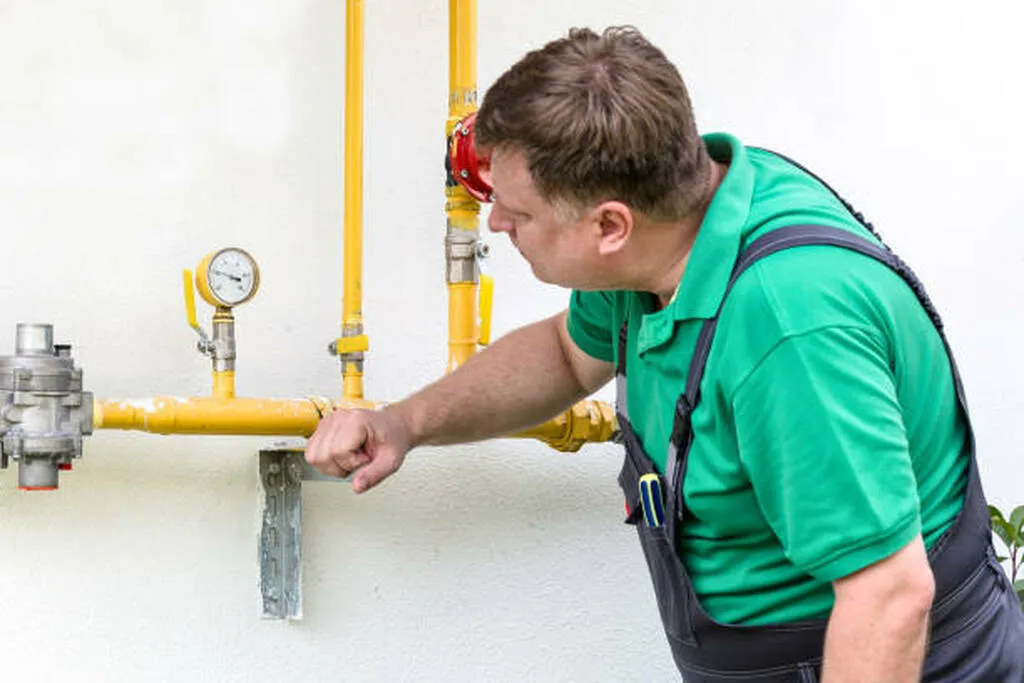
Professional gas leak detection and repair services combine visual inspection, instrument-based surveys, pressure testing, and safe repair or replacement procedures to restore safe service while complying with codes like NFPA 54 and local permitting rules. The process typically starts with an initial assessment to confirm reported signs, followed by methodical localization using detectors and pressure diagnostics, then isolation of the affected segment, repair or replacement of defective components, and finally pressure testing and verification before returning the system to service. Employing multiple detection methods overcomes limitations like odor fade and underground dispersion, ensuring reliable identification of the leak source. Below is a concise EAV-style comparison of common detection methods used by professionals and when each is applied.
This table shows why technicians select a combination of tools for safe, accurate diagnosis and ensures repairs proceed from confirmed data to minimize repeat failures.
What Advanced Gas Leak Detection Technologies Does Mack’s Plumbing Use?
Advanced detection technologies used in professional practice include handheld electronic combustible gas detectors, acoustic sensors for underground leaks, and pressure-decay testing to confirm system integrity; each method addresses specific limitations of smell-based detection. Electronic detectors quantify gas concentration near fittings and valves and rapidly guide technicians to leak points, while acoustic devices listen for flow noise in buried pipelines that might not carry odorant to the surface. Pressure testing provides a definitive verification after repairs by measuring whether the isolated segment holds specified pressure without significant decay, aligning with code-based safety verification. Using these complementary methods reduces false negatives from odor fade and ensures a thorough diagnostic path before repairs are authorized.
How Are Gas Line Repairs Conducted to Ensure Safety and Code Compliance?
Gas line repairs follow a structured workflow: isolate and depressurize the affected system, excavate or expose the faulty component if needed, perform the repair or replacement using approved materials and fittings, then conduct pressure testing and inspection before restoring service. Isolation minimizes hazard during the repair phase, and using licensed technicians ensures work follows NFPA 54 and local permitting requirements; pressure tests verify leak elimination and provide documentation for inspectors or utility companies. After successful testing, technicians purge and relight appliances in a controlled manner and provide customers with safety instructions and any recommended follow-up inspection schedule. Proper documentation and adherence to codes and permitting requirements are essential for both safety and insurance compliance, which transitions naturally to material choices and maintenance planning discussed next.
What Are the Options for Gas Line Installation, Replacement, and Maintenance in Texas?
Gas line options vary by application—black iron for indoor piping, CSST for flexible connections, polyethylene for underground service lines—and each material has distinct lifespans, failure modes, and maintenance needs that affect selection for residential or commercial systems. Choosing the right material balances durability, flexibility, corrosion resistance, and local code acceptance, and planning for replacement should factor expected service life and observed wear. Routine maintenance and annual inspections that include leak surveys, pressure checks, and appliance combustion reviews help detect deterioration early and prevent emergencies. The table below compares common gas line materials and highlights pros, cons, and typical lifespan expectations to guide planning.
This comparison highlights how material selection influences lifecycle planning and the types of maintenance inspections technicians prioritize.
Which Gas Line Materials Are Commonly Used and What Are Their Lifespans?
Black iron remains prevalent for interior distribution due to its durability and compatibility with threaded fittings, often lasting decades with minimal issues when installed properly. CSST offers flexibility for retrofit and new construction installations but requires proper bonding and protection from potential lightning or electrical arcing to avoid damage; its lifecycle depends on adherence to manufacturer and code installation practices. For buried service lines, polyethylene is common for corrosion resistance and ease of trenching, but it must be properly installed with marking and depth standards; understanding these materials helps property owners plan replacements before failure. Knowing material-specific inspection focus areas—threaded joints for black iron, bonding for CSST, and tracer wire for PE—guides effective maintenance schedules.
How Do Annual Gas Safety Inspections Protect Your Property?
Annual gas safety inspections typically include a leak survey with electronic detectors, pressure testing of accessible segments, appliance combustion analysis, verification of shutoff valve operation, and a review of visible piping for corrosion or mechanical damage. These inspections reduce risk by identifying small issues before they escalate into leaks, ensuring appliances operate efficiently and safely, and maintaining records useful for insurance and compliance with local codes and the Railroad Commission of Texas where applicable. Scheduling inspections annually—and more frequently for commercial sites or older systems—supports proactive replacement planning and continuity for business operations. Regular inspections also create an opportunity to discuss financing or phased replacement plans when larger upgrades are recommended, leading into cost considerations next.
How Much Does Gas Leak Detection and Repair Cost in Forney, Terrell, and Dallas?
Costs for detection and repair vary by the scope of work, with industry ranges for the DFW region reflecting differences between simple connector replacements and full underground service line replacements; emergency callouts typically carry a premium over scheduled work. Primary cost drivers include the type of repair, pipe material, accessibility (exposed vs. buried), excavation needs, required permits and inspections, and emergency response timing. Below is an EAV-style table comparing common repair types with typical price-driving factors and general industry ranges to help homeowners and facility managers understand budget expectations before requesting an on-site estimate.
This comparison clarifies why onsite assessments are necessary for accurate quotes and how different scenarios shift costs and timelines.
What Factors Influence the Price of Gas Leak Repairs and Replacements?
Key variables include pipe material and diameter (larger, specialty materials cost more), whether the line is underground or exposed (buried work requires excavation and restoration), extent of damage (localized vs. full-run replacement), presence of obstructions or landscaping needing repair, permitting and inspection fees, and whether the service is an emergency outside normal hours. For example, replacing a short damaged connector behind a stove is far less involved than replacing a long, corroded underground service that requires trenching, street permitting, and restoration of landscaping or pavement. Understanding these drivers helps owners decide when to schedule repairs proactively rather than wait for an emergency, which also impacts financing discussions described next.
Are Flexible Financing Options Available for Gas Leak Services?
Flexible financing options can make larger repairs and replacements manageable by spreading cost over time, and some local service providers explicitly offer financing to cover emergency repairs, full service replacements, and planned upgrades. Financing typically covers labor, materials, permitting, and restoration costs and can be structured with different terms depending on the provider and the project’s scope; property owners should request full estimate details and financing terms as part of the quoting process. For those considering major replacements, asking about phased work and financing options can preserve safety while easing upfront cost burdens. With cost planning in place, the following section explains reasons to choose a licensed local provider for safety and reliability.
Why Choose Mack’s Plumbing for Safe Gas Leak Services in Texas?
Mack’s Plumbing, TX LLC is positioned as a local, family-owned plumbing provider that explicitly lists “Gas Leaks” among its services and emphasizes safety, responsiveness, and customer satisfaction as core attributes for residents and businesses in Forney, Terrell, Dallas, and Kaufman County. The company communicates several verifiable credentials and assurances: the owner, Bradley “Mack” Robinson, holds a license (M # 39290), the business offers emergency services, provides flexible financing options for larger projects, and guarantees 100 percent repairs—factors that support trust when hiring a licensed professional for hazardous gas work. Choosing a licensed, locally responsive provider ensures both safety compliance and quicker coordination with gas utilities and inspectors in the DFW area. Readers seeking licensed contractors should verify credentials and ask for documented pressure testing and permit handling before authorizing work.
Key company differentiators include:
- Family-owned and operated focus with local community responsiveness.
- Owner license M # 39290 and explicit listing of “Gas Leaks” as a provided service.
- Emergency response availability and flexible financing to manage larger repairs.
These attributes help owners prioritize vendors who can combine technical competence with local permit navigation, which leads into how experience affects outcomes in the next subsection.
How Does Over 20 Years of Experience Ensure Reliable Gas Leak Solutions?
An experienced owner and team can translate into faster diagnosis, fewer repeat visits, and more efficient repairs because seasoned technicians recognize subtle failure patterns and know the most reliable diagnostic sequences. Practical outcomes include quicker localization of leaks, better material selection to prevent recurrence, and smoother interactions with local permitting and utility representatives due to familiar procedures and expectations. Experience also supports risk-based decision-making—knowing when a repair suffices and when a full replacement is the safer long-term solution—which reduces total lifecycle costs and enhances safety. In other words, depth of experience helps avoid piecemeal fixes that lead to repeated interruptions and instead promotes durable, code-compliant repairs.
What Do Customers Say About Mack’s Plumbing Gas Leak Services?
Publicly available customer reviews on the company’s information pages highlight themes of professionalism, timely emergency response, and thoroughness in repairs—consistent with the company’s stated focus on safety and customer satisfaction. Summaries of customer feedback emphasize efficient diagnosis and clear communication during emergencies, which align with the operational expectations for licensed gas work in residential and commercial settings. Prospective clients should review on-site testimonials and request references or documented case notes for similar projects to confirm fit for their particular needs. Reading multiple reviews and asking for examples of completed gas-line jobs helps validate a provider’s claimed guarantees and emergency performance.
At the end of the emergency response guidance above and for those seeking immediate assistance, know that licensed local professionals, including Mack’s Plumbing, TX LLC, list emergency gas leak services and can be engaged when utility crews or 911 response indicate a need for a licensed plumber; inquire about financing options and repair guarantees during the follow-up to an emergency dispatch.

Customer Testimonials

Robert with Macks Plumbing has saved my repair/reno project so much time and money by finding the problems that other plumbers couldn’t. He is easy to work with, direct and honest. Couldn’t recommend him with more confidence.
Quick response, knowledgeable and courteous. Techs that came for water heater made sure everything cleaned up and working properly. Will use Mack's again when I need work in future.
Excellent service. Prompt & professional. Great communication on arrival time and repairs needed. Easy to work with. We will use them again.
Showed before the expected time and both guys were polite, knowledgeable and more than ready to get the job done. I will definitely be using them again and recommending them to everyone I can!

Financing
We make it easy to get the plumbing services you need with flexible financing options through Wisetack, including zero down plans with approved credit.