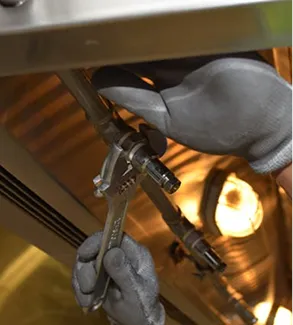





Backflow problems in a commercial kitchen can cause serious concerns—not just for plumbing, but for health and safety as well. When dirty water flows backward into clean lines, it can contaminate the water supply and lead to shutdowns, costly service, or even inspection issues. This kind of disruption can throw off your entire operation. In a high-traffic kitchen environment, where water use is constant and flows vary quickly, backflow issues can happen faster than you think.
For commercial kitchen operators in Crandall, preventing backflow starts with understanding what it is and how it happens. Kitchens use a wide range of fixtures and equipment such as dishwashers, sinks, and sprayers that all put pressure on the plumbing. If something goes wrong in that system, it can let wastewater leak or reverse into clean lines. Prevention is key to running your kitchen smoothly and staying compliant with local safety standards.
Common Causes Of Backflow In Commercial Kitchens
Backflow can happen for several different reasons, many of which come from how the plumbing system is set up or how it reacts to pressure changes. If water is supposed to flow in one direction but gets pulled or pushed the opposite way, that’s when problems begin.
Here are the most common causes you’ll see in a commercial kitchen:
– Cross-connections: This happens when clean water lines and waste lines are connected without a safety device in between. A sprayer hose resting in mop bucket water is a typical example. Any vacuum or drop in water pressure could pull dirty water into the clean system.
– Back pressure: When equipment inside the kitchen pumps water too forcefully, it can send water backward through the pipes. Steamers or power washers that are improperly hooked into the system can generate more pressure than the line is designed to handle.
– Siphonage or negative pressure: This occurs when the pressure in the water supply drops suddenly. For example, someone turning off a main valve for repairs or a fire hydrant being used nearby can temporarily lower the line’s pressure. That sudden drop can pull water from nearby sources, including from dirty sinks or drain-connected equipment, back into the pipes.
– Improper plumbing setups: Over time, modifications to the kitchen or worn-out equipment may leave the plumbing open to risk. Old or poorly installed lines sometimes don’t include backflow prevention devices where they should.
One common example is a large commercial kitchen that expanded the dishwashing station but didn’t update or inspect the plumbing properly. During a service interruption, rinse water mixed with waste was pulled into a clean supply pipe because the sprayer was still soaking in dirty water. A small change created a major problem that needed emergency plumbing support and follow-up inspections to clear.
Understanding these pressure changes and setup risks can help managers and kitchen staff stay ahead of issues. But preventing backflow takes more than just awareness. Regular maintenance and the right protections make a big difference.
Preventative Measures For Backflow Issues
The good news is that backflow can usually be stopped before it starts. With the right systems and habits in place, commercial kitchens in Crandall can avoid the headaches that come with water contamination. Taking the time to put preventive steps into action helps kitchens stay open, clean, and compliant.
Here are three core practices that can make a big impact:
1. Install backflow prevention devices: These mechanical parts stop dirty water from re-entering your clean supply. Devices like vacuum breakers, air gaps, and check valves are common tools that separate clean and dirty flows. They get placed at certain connection points where risks are higher, like on rinse sinks or chemical dispensers.
2. Schedule regular inspections and maintenance: Plumbing systems wear down just like any other part of a kitchen. Regular checks by trained technicians make sure everything is working and up to code. This way, any warning signs—like a clogged valve or misaligned pipe—can be fixed before it causes a problem.
3. Train employees on usage and safety: Sometimes, small everyday habits lead to bigger plumbing risks. Leaving hoses in buckets, using fixtures incorrectly, or ignoring leaks can throw the system off. Staff who understand how the plumbing works and what to avoid can help prevent accidents without needing constant oversight.
Taking a few intentional steps like these builds long-term security into your kitchen setup. Backflow prevention directly impacts your restaurant’s safety, cleanliness, and ability to keep running without disruptions. Keeping an eye on these risk areas and being proactive about regular servicing can save time, money, and stress down the line.
How Our Professionals Can Help Stop Backflow Problems
Backflow issues often go unnoticed until there’s already water damage, contamination, or a major disruption in the kitchen. Even if equipment is functioning normally and there are no leaks, that doesn’t mean the setup is protected. In commercial kitchens with busy routines and constant water use, hidden weaknesses in plumbing connections can build up into bigger problems over time.
Our professionals take the guesswork out of identifying those weak spots. They are trained to spot warning signs the average kitchen team might miss, like improperly installed check valves, damaged hose bibs, or dangerously close cross-connections. These problems often hide behind walls or under tightly packed sinks, which means they tend to develop quietly until something triggers a backflow event.
When checking a commercial plumbing system in Crandall, our technicians follow a process that includes:
– Testing water pressure at critical junctions where appliances are connected
– Inspecting vacuum breakers and air gaps on prep sinks and dishwash stations
– Checking for proper drainage in floor sinks and drain-connected appliances
– Verifying that booster heaters, coffee machines, and other equipment are not feeding unsafe pressure back into the lines
– Reviewing the plumbing layout to confirm separation between clean and dirty lines
In one recent job, a kitchen team noticed odd discoloration in their handwashing sink. There were no obvious leaks or smells, but our technicians found that an old sprayer hose had slipped down into a nearby mop bucket during off-hours. The vacuum breaker attached had failed due to age. Without that review, the team would’ve kept using the sink without knowing their water supply was at risk.
Fixing backflow problems starts with identifying weak links in your system. Once those vulnerabilities are located, our team can install the correct backflow prevention equipment in the right spots to guarantee protection moving forward. That kind of preparation helps avoid disruptions.
Staying Protected During Seasonal Shifts
Different seasons bring different risks when it comes to plumbing. In Crandall, the transition between warm and cooler months can create pressure shifts in commercial kitchen systems, especially those that run multiple appliances on a shared supply line. Staff may not always think about how seasonal weather or usage changes impact plumbing, but staying on top of these cycles can prevent backflow from sneaking in.
For example, during stormy periods, a sudden loss in municipal water pressure can create a drop strong enough to pull unsafe water back into your lines. If the system doesn’t have functioning backflow protection in place, the pull is almost automatic. Even seasonal high use periods, like the fall when catering picks up before the holidays, increase strain on your plumbing. That added stress can wear out vacuum breakers and check valves faster than expected.
Here’s how our technicians keep systems steady year-round:
– Schedule system checks during seasonal transition months to look for pressure or flow issues
– Test vulnerable points like dishwash lines and prep sinks before and after high-use seasons
– Flush out buildup that may restrict water flow or contaminate valve zones during the dry months
– Replace rubber or spring-loaded components in pressure regulators before colder weather makes them brittle
– Check rooftop and exterior lines for signs of wear or underperformance that could disrupt flow balance
Seasonal service is not about overhauling your plumbing. It is about catching the early warning signs and making sure your system is ready for the conditions ahead. That way, you are not scrambling mid-season when staff is already stretched and the kitchen is busy.
Meeting Local Plumbing and Health Standards
Running a commercial kitchen in Crandall means staying compliant with local plumbing codes and health department regulations. When backflow prevention is managed correctly, it plays a key role. Inspections from health officials or city inspectors often include backflow checks, especially during license renewals or after renovations. If a problem is found, such as a missing vacuum breaker or unsafe hose connection, fines, warnings, or temporary shutdowns may occur.
One common issue is when older kitchens add new equipment without updating their water supply routes or protection devices. It may seem like a simple fix to plug a new prep sink into an existing line, but without a check valve or air gap, that addition could turn into a failure point during the next water supply drop.
That is why our technicians go beyond fixing single backflow issues. They evaluate the system as a whole, confirming that every fixture and appliance has the necessary protection to meet current safety rules. This includes checking that cross-connection controls are installed correctly, devices are tested regularly, and backflow prevention systems are properly maintained.
Failing a plumbing or safety inspection often causes unexpected delays and hurts your kitchen’s reputation. Fixing backflow issues with the right equipment and proper maintenance records leads to better readiness for surprise inspections and fewer disruptions to your schedule.
Ensuring Your Commercial Kitchen Is Backflow-Free
Preventing backflow is about more than installing the right tools. It is about putting safety practices in place so your plumbing works even during high use or shifting water supply conditions. Keeping your commercial kitchen in Crandall running safely means being proactive when it comes to plumbing health.
Understanding the risks behind backflow, knowing how it starts, and following seasonal checks help your system stay reliable. Ignoring early signs or skipping over routine inspections can lead to safety risks, employee delays, or even loss of business.
Regular inspections, the correct equipment, and preventive maintenance play a big part in keeping a kitchen running smoothly. Protecting your water supply affects every part of your service, from food prep and sanitizing to daily efficiency and customer confidence. When backflow is managed, your kitchen can keep working without interruptions.
Safeguard your commercial kitchen with proactive measures from Mack’s Plumbing, TX LLC. Our professionals help prevent backflow issues that can disrupt your operations and compromise water safety. With our commercial plumbing in Crandall, you can count on a system that works reliably day after day. For a quick estimate or to book a service visit, please contact us today.

Customer Testimonials

Robert with Macks Plumbing has saved my repair/reno project so much time and money by finding the problems that other plumbers couldn’t. He is easy to work with, direct and honest. Couldn’t recommend him with more confidence.
Quick response, knowledgeable and courteous. Techs that came for water heater made sure everything cleaned up and working properly. Will use Mack's again when I need work in future.
Excellent service. Prompt & professional. Great communication on arrival time and repairs needed. Easy to work with. We will use them again.
Showed before the expected time and both guys were polite, knowledgeable and more than ready to get the job done. I will definitely be using them again and recommending them to everyone I can!

Financing
We make it easy to get the plumbing services you need with flexible financing options through Wisetack, including zero down plans with approved credit.