




Preparing Your Plumbing for Each Season: Essential Checklists and Maintenance Tips
Seasonal plumbing preparation means taking scheduled, targeted actions that protect pipes, water heaters, drains, and outdoor systems from weather-driven damage while improving efficiency and avoiding costly emergencies. This guide teaches homeowners how to winterize pipes, run spring leak and sump-pump checks, conserve water in summer, and prepare in fall so systems survive Texas temperature swings with minimal risk. Many homeowners face sudden shutoffs, burst pipes, or inefficient water heaters after seasonal shifts; proactive maintenance prevents damage, reduces utility bills, and extends equipment life. The article maps practical checklists, step-by-step DIY tasks, and clear signals for when to call a licensed professional, using Texas-specific context and common regional risks like occasional freezes and hot summers. You’ll find concise winterization steps, spring inspection priorities, summer conservation tips, and fall prep actions, each followed by quick pro-service options and decision guidance. If you prefer a professional inspection instead of DIY, Mack’s Plumbing, TX LLC offers seasonal maintenance services tailored to local conditions, including pipe winterization and water heater services that back repairs with a 100 percent repairs guarantee.
How Do You Prepare Your Plumbing for Winter to Prevent Frozen Pipes?
Preparing plumbing for winter means reducing heat loss from exposed pipes and minimizing trapped water in outdoor fixtures so freezing and bursting are unlikely. Heat retention and controlled drainage are the mechanisms that prevent freezing: insulation and drained outdoor lines reduce conduction losses, while stable indoor temperatures and knowing your main shut-off reduce damage when problems occur. The most impactful steps are insulating vulnerable runs, adding heat tape where appropriate, draining exterior faucets, and flushing the water heater if sediment reduces efficiency. Below is a concise preventive checklist homeowners can follow before the first freeze to lower the chance of pipe freezing and costly repairs.
- Insulate exposed pipes in unheated spaces to reduce heat loss.
- Install heat tape on pipes that run along exterior walls where freezing risk is highest.
- Drain and shut off outdoor hose bibs and disconnect hoses to prevent trapped water.
- Keep interior temperatures steady and open cabinet doors to warm under-sink pipes.
Even with careful DIY work, professional installation of heat tape or complex insulation in crawl spaces reduces risk and improves longevity, and if you’d rather hire a pro, Mack’s Plumbing provides pipe winterization and heat tape services adapted for local Texas conditions. Next, compare common insulation options to decide what fits your home.
Different insulation options vary in cost, ease of installation, and locations where they work best; the table below summarizes practical choices for Texas homes and brief recommendations.
This comparison shows foam sleeves are cost-effective for common exposed pipes, while heat tape and spray foam suit higher-risk locations; choose based on accessibility, electrical safety, and long-term performance. The next subsection explains how to install and use each method safely.
What Are the Best Methods to Insulate Pipes and Prevent Freezing?
Pipe insulation works by creating a thermal barrier that slows heat loss from the pipe to the surrounding air, which reduces the chance that water inside will reach freezing temperatures. Foam sleeves are the simplest option for a homeowner: cut to length, snap into place, and secure with tape; they perform well on straight runs and in accessible crawlspaces. For runs near exterior sheathing or in attics, self-regulating heat tape offers active protection because it supplies heat when temperatures drop, but it requires careful installation following electrical safety guidelines and manufacturer instructions. Spray foam or foam-in-place is ideal where pipes pass through wall cavities or rim joists because it seals air gaps that cause cold drafts; this method is better suited to professional installation to avoid over-application and to maintain code compliance.
When choosing an approach, evaluate accessibility, power availability, and moisture exposure, and always test installed heat tape before a freeze season to confirm operation. Proper insulation work reduces stress on pipes and prevents the need for emergency pipe repairs during sudden temperature dips.
How Should You Winterize Your Water Heater and Outdoor Faucets?
Winterizing a water heater and outdoor spigots reduces freeze-related failures and improves performance by removing sediment and minimizing exposed water that can freeze and expand. Flushing a tank-style water heater annually removes sediment that lowers efficiency and can cause early failure; this is done by shutting off the supply, connecting a hose to the drain valve, and flushing until water runs clear. For tankless systems, a professional flush using a pump and vinegar solution removes scale and maintains flow and heat transfer, preserving longevity. Outdoor faucets should be shut off at the interior isolation valve when available, drained by opening the bib, and insulated with an exterior cover; if a dedicated shut-off is not present, consider installing one or ask a professional to add frost-proof hose bibs.
Signs your water heater needs repair include persistent temperature fluctuation, rusty water, or loud rumbling, and these issues deserve a technician’s inspection. Taking these winter-ready water heater steps lowers heating costs and reduces the chance of burst components when temperatures drop.
What Are the Key Spring Plumbing Maintenance Tasks to Avoid Post-Winter Damage?
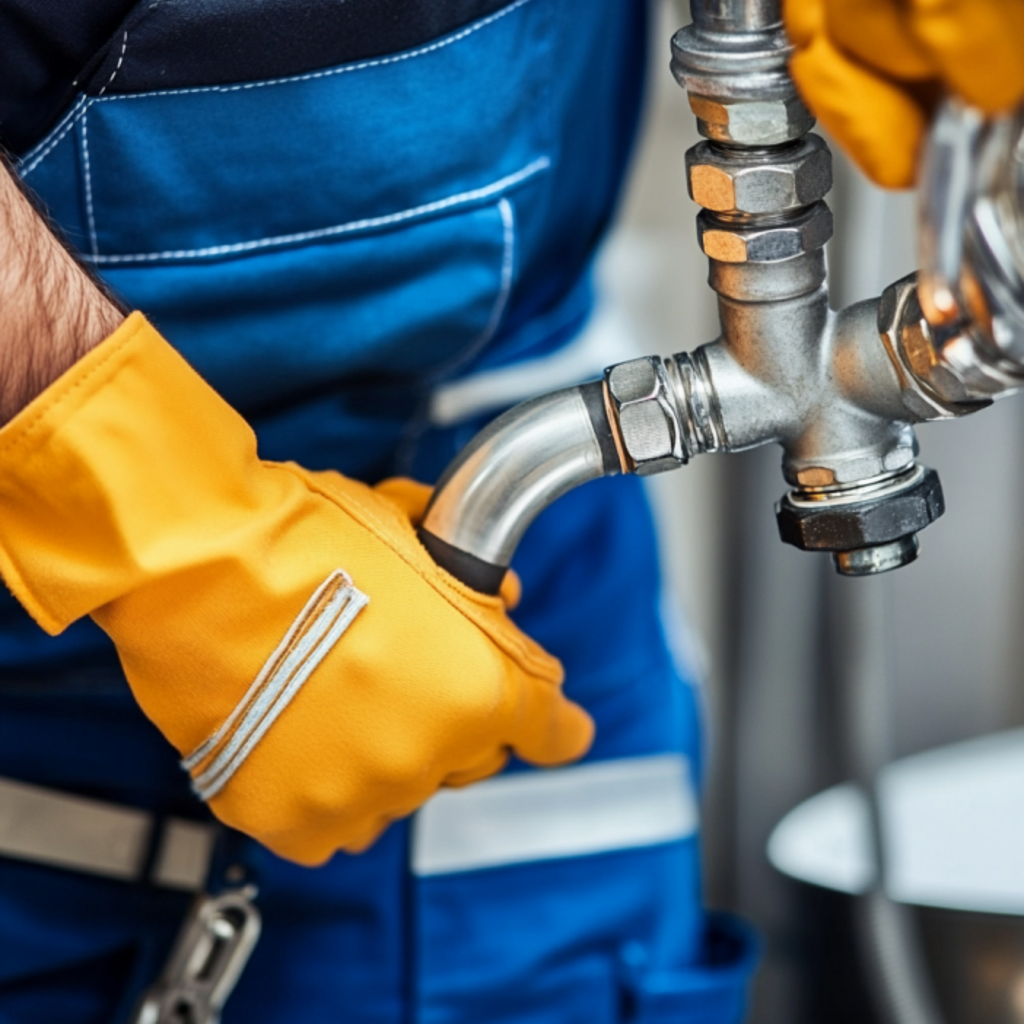
Spring plumbing maintenance focuses on detecting winter damage, restoring systems after freeze stress, and testing critical defense systems like sump pumps to avoid basement flooding. The core idea is to inspect, test, and clean: look for hidden leaks, test sump pumps and battery backups, flush water heaters, and clear gutters to improve drainage away from the foundation. A methodical spring check prevents small winter-created issues from becoming major repairs during seasonal rains and helps ensure irrigation and outdoor systems are ready for increased use. Use the checklist below as a prioritized spring routine and follow with targeted inspections for anything that looks suspect.
- Inspect all visible pipes, faucets, and toilets for leaks or damage.
- Test the sump pump by pouring water into the sump pit to verify activation and discharge.
- Flush the water heater to remove winter-accumulated sediment and improve efficiency.
- Clean gutters and downspouts to ensure roof runoff doesn’t collect near the foundation.
If you find persistent leaks, unusual odors, or sump-pump failure signs, professional leak detection and sump-pump servicing speed diagnosis and repair; Mack’s Plumbing offers spring check-ups including sump pump testing and leak detection for homeowners in the local service area. Next, a quick reference maps spring-check entities to required actions.
Below is a quick spring maintenance reference that pairs each system with actions and recommended frequency to simplify planning.
This table clarifies simple seasonal tasks and how often to perform them; following these steps early in spring reduces the risk of post-winter failures. The next subsection explains leak detection and repair tactics.
How Do You Detect and Repair Leaks After Winter?
Detecting post-winter leaks begins with visual and utility checks: look for stains, peeling paint, or warped trim, and monitor your water meter for unexplained continuous flow with all fixtures off. Indoors, check under sinks, behind appliances, and around water heater fittings for dampness; outdoors, inspect irrigation zones for soggy spots or higher water usage. Small leaks like worn faucet cartridges or loose fittings can often be tightened or replaced with basic tools, but hidden slab or in-wall leaks require professional leak detection equipment to locate and repair without unnecessary demolition. Temporary fixes (sealants, pipe clamps) can limit damage until a licensed plumber performs a permanent repair.
If you notice rising water bills, persistent moisture, or mold growth, schedule professional leak detection promptly because hidden leaks cause structural and health risks the longer they persist; professional diagnostics identify the exact failure and appropriate repair strategy, minimizing invasive work.
Why Is Sump Pump Testing Critical in Spring?
Sump pump testing in spring is essential because thawing ground and seasonal rains increase groundwater and surface runoff risks, making pump reliability crucial to prevent basement flooding. Testing is a simple functional check: pour water into the sump pit and ensure the pump activates, the float moves freely, and the discharge line removes water away from the foundation without restriction. Common failure modes include float jams, motor burnout, clogged intake screens, and frozen or collapsed discharge lines; verifying operation before heavy spring rains avoids emergency failures. Homeowners should also evaluate battery backup systems since power outages during storms are common; battery backups keep pumps operating when grid power is lost.
Regular professional inspections inspect impellers, test automatic switches, and confirm correct discharge routing, and addressing identified issues early reduces the chance of catastrophic water intrusion and costly remediation.
What Summer Plumbing Tips Help Conserve Water and Maintain Outdoor Systems?
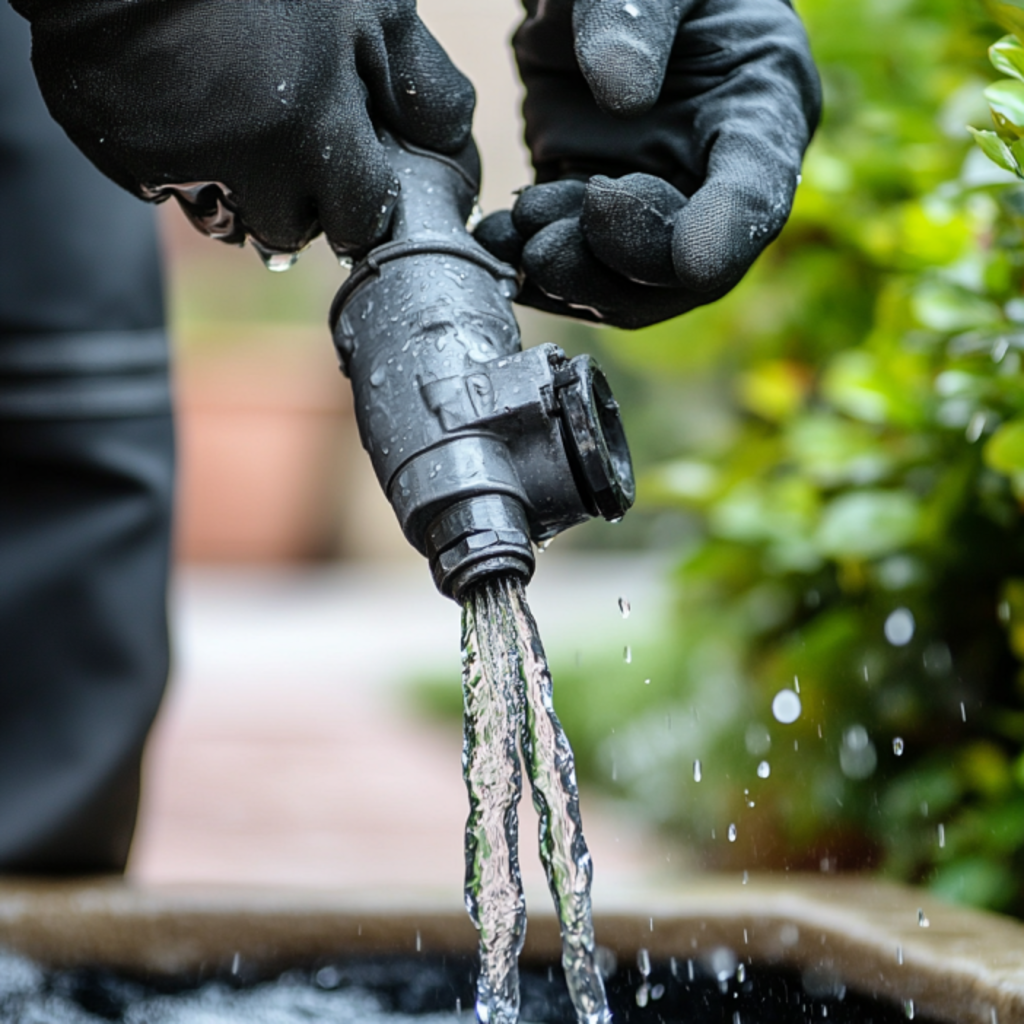
Summer plumbing strategy emphasizes water conservation, maintaining irrigation systems, and minimizing clogs from increased outdoor cooking and entertaining. High outdoor use and warm weather can mask slow leaks, raise water bills, and strain irrigation components, so routine checks for sprinklers, hose bibs, and disposal health protect efficiency. Start with basic conservation habits and quick diagnostic checks for outdoor systems; the list below offers effective summer actions to save water and avoid mid-season repairs.
- Monitor the water meter overnight to detect hidden leaks that drive up bills.
- Inspect sprinkler heads and irrigation zones for broken pipes, leaks, or misaligned nozzles.
- Follow garbage disposal best practices to prevent food-related clogs and odors.
- Use water-saving fixtures and schedule watering during cooler hours to reduce evaporation.
For irrigation leaks or complex sprinkler repairs, professional irrigation repair reduces wasted water and restores uniform lawn coverage; Mack’s Plumbing can inspect outdoor systems and advise on efficient upgrades and repairs suited to local conditions. Next, a table helps diagnose common summer outdoor problems with quick fixes.
This quick-reference clarifies when a homeowner can take simple corrective actions and when a trained technician is needed. The next subsection focuses on detection and minor repairs for outdoor leaks.
How Can You Identify and Fix Outdoor Plumbing Leaks During Summer?
Identifying outdoor leaks begins with visual inspection and meter monitoring: check for unusually green or soggy patches, listen for hissing near valves, and observe the water meter with the house isolated from irrigation to spot phantom flow. For sprinkler systems, isolate the zone, run it manually, and look for broken heads, collapsed lateral lines, or misaligned nozzles; many issues are simple to replace with a head or adjust nozzle spacing. Hose bib leaks often stem from worn washers or packing nuts and can be repaired by replacing inexpensive parts or replacing the bib. For buried mainlines or repeated failures, professional irrigation diagnostics using pressure tests and valve checks avoids repeated repairs and hidden water loss.
If you detect persistent phantom flow or significant excavation would be required, call a licensed plumber to perform leak location using specialized equipment to locate and repair leaks with minimal disturbance.
What Are the Best Practices for Garbage Disposal Maintenance in Summer?
Garbage disposal maintenance keeps kitchens odor-free and minimizes clogs during busy summer cooking and entertaining. Do not overload the disposal; run a steady stream of cold water while operating to help solidify greases and move particles through the trap, and avoid disposing of fibrous or starchy foods that wrap and clog the impeller. Routine cleaning with ice and citrus peels sharpens blades and neutralizes odors; periodically grind ice cubes and half a lemon to clean interior surfaces. If the disposal hums but does not grind, use the reset button rather than a DIY electrical fix, and never put your hand inside the unit.
Signs of wear—persistent clogs, grinding noises, or leaks at the sink flange—indicate the need for professional inspection or replacement to avoid water damage and recurring blockages.
How Should You Prepare Your Plumbing in Fall to Protect Against Winter Damage?
Fall plumbing preparation focuses on removing water from vulnerable outdoor lines, clearing gutters and downspouts, and insulating pipes before freezing temperatures arrive. The strategy is to remove outdoor water, seal drafts, and schedule targeted checks on the water heater and insulating needs so systems are ready for any abrupt cold snaps. Key fall tasks include gutter cleaning, disconnecting hoses, insulating exposed pipe runs, and booking a pre-winter water heater inspection to ensure reliable heat and pressure performance. Use the checklist below to prepare your home so seasonal transitions cause minimal stress on plumbing.
- Clean gutters and downspouts to prevent water pooling near the foundation during freeze-thaw cycles.
- Disconnect and drain outdoor hoses and open hose bibs to remove trapped water.
- Insulate pipes in unheated spaces and consider heat tape for critical exterior runs.
- Schedule a water heater check and flush to ensure efficient operation through winter.
If you prefer professional help for hard-to-reach insulation or comprehensive pre-winter service, Mack’s Plumbing performs pre-winter inspections and pipe-protection services that help prevent freeze-related damage. Next, we explain why gutters and downspouts matter for plumbing health.
Why Is Cleaning Gutters and Downspouts Important for Plumbing Health?
Cleaning gutters and downspouts reduces the volume of roof runoff that can collect near the foundation and overwhelm drainage systems, leading to basement seepage or saturated soil that can freeze and apply pressure to exterior pipes. Blocked gutters create overflow that soaks soil adjacent to the house, increasing hydrostatic pressure and the chance of water finding weak points in foundation seals or basement drains. Regular clearing prevents clogs and allows downspout extensions to channel water at least several feet from the foundation, reducing freeze-thaw cycles near pipe entries. If gutters are neglected, secondary issues like soil erosion and increased load on perimeter drains can increase long-term plumbing costs.
Addressing gutter flow also prepares your drainage network for winter storms and reduces the workload on sump pumps and foundation drains; the next subsection details disconnecting hoses and insulating exposed pipework.
When and How Should You Disconnect Outdoor Hoses and Insulate Pipes?
In Texas climates, disconnect outdoor hoses in late fall before the first expected freeze, and store them drained to prevent cracking and mildew. To disconnect properly: shut the interior isolation valve if present, open the outdoor bib to drain remaining water, remove the hose, and install an insulated cover on the stub-out for added protection. For insulating pipes, choose foam sleeves for accessible runs and consider professional spray foam sealing around rim joists to block cold drafts that attack pipe lines. Hard-to-reach or complex situations such as pipes through exterior walls or long attic runs often benefit from professional assessment and installation to avoid ineffective DIY fixes.
Completing these steps before freezing weather reduces the chance of burst hose bibs and minimizes heat loss from critical pipe segments.
When Should You Call a Professional for Seasonal Plumbing Maintenance?
You should call a professional when issues are persistent, hidden, involve gas, or risk major water damage; licensed technicians use diagnostic equipment, ensure code-compliant repairs, and handle high-risk jobs safely. Scenarios that require immediate professional attention include burst pipes, significant or unexplained leaks, sump pump failure, major water heater malfunctions, sewage backups, and any suspected gas leak. Professional inspection is also recommended for complex winterization like heat tape electrical work, slab-leak detection, or full-system sump and discharge verification because these require specialized tools and permits in some cases. Below is a direct yes/no decision guide to help decide when to escalate.
- Is the leak continuing despite temporary fixes? Yes — call a professional.
- Is there a smell of gas or visible sewage backing up? Yes — call a professional immediately.
- Is the problem in a slab, behind finished walls, or under concrete? Yes — call a professional for diagnostic equipment.
When DIY steps don’t stop water flow or the issue affects structural or safety systems, professional service is the safest choice; the next subsections explain specific high-risk issues and how Mack’s Plumbing supports seasonal needs.
What Plumbing Issues Require Expert Inspection and Repair?
High-risk plumbing issues that require a licensed professional include burst pipes with active leakage, gas-line odors or suspected leaks, sewage or backflow problems that pose health hazards, and slab leaks that need non-invasive locating equipment. These problems present safety or structural risks and often need immediate shut-off, containment, and skilled repair to prevent escalation. Immediate homeowner actions include shutting off the main water valve for major leaks, evacuating if gas is suspected, and limiting power to flooded areas, while arranging a licensed technician to perform diagnostics, pressure tests, and secure repairs. Professionals also address complex replacements such as sump pump motors, sewer line sections, and water heater elements that involve electrical and plumbing coordination.
Engaging a licensed plumber quickly minimizes repair scope and protects property and occupant safety.
How Does Mack’s Plumbing Support Seasonal Plumbing Needs in Texas?
Mack’s Plumbing, TX LLC offers services aligned with the seasonal tasks described above, including pipe winterization, water heater (tank and tankless) services, leak detection, and sump pump testing. As a family-owned and operated lead generation and information hub, the company emphasizes tailored, local solutions across service areas including Forney, Terrell, and Dallas and surrounding Kaufman County communities. Mack’s Plumbing is insured and licensed (License # M # 39290), offers flexible financing options to help manage larger repairs, and supports customers with a 100 percent repairs guarantee that reinforces confidence in seasonal maintenance and emergency responses. For homeowners who prefer professional inspections, the company provides targeted seasonal packages that combine checks for insulation, water-heater flushing, and outdoor faucet winterization.
These professional services complement homeowner maintenance by applying specialist diagnostics and code-aware repairs to reduce the risk of winter damage and summer failures.
What Are the Most Common FAQs About Preparing Plumbing for Each Season?
Homeowners often ask a few direct questions about seasonal plumbing that guide practical planning and emergency readiness; concise answers below clarify prevention steps and what a simple seasonal checklist should include. The goal is to give quick, actionable guidance that helps readers act immediately and decide when to call a professional. Each answer is framed for Texas climate realities—milder but occasionally extreme weather.
How Do I Prevent Frozen Pipes in Texas Winters?
Preventing frozen pipes in Texas involves insulating exposed runs, keeping interior temperatures at a safe minimum, sealing drafts where pipes pass through exterior walls, and disconnecting outdoor hoses to remove trapped water. Use foam sleeves for accessible pipes and heat tape for runs along exterior walls where drafts are unavoidable, and open cabinet doors on cold nights to allow warm air circulation around under-sink plumbing. Know your main shut-off location and label it so you can act quickly if a pipe does freeze and ruptures. If you’re uncomfortable installing heat tape or insulating hard-to-reach lines, hire a licensed professional to ensure safe, code-compliant installation.
These steps reduce the likelihood of frozen water and provide clear action if freezing occurs.
What Is Included in a Spring Plumbing Maintenance Checklist?
A practical spring checklist includes inspecting pipes and faucets for leaks, testing the sump pump and battery backup, flushing or servicing the water heater, clearing gutters and downspouts, and inspecting outdoor faucets and irrigation zones. Perform a water-meter test to reveal hidden leaks and run each irrigation zone sequentially to identify weak spots. Replace worn washers, tighten connections, and schedule professional leak detection for any persistent or hidden losses that DIY checks can’t pinpoint. Completing these tasks in spring protects your home from water damage and prepares systems for increased summer use.
Following this checklist annually helps homeowners catch small issues early and avoid expensive repairs.

Customer Testimonials

Robert with Macks Plumbing has saved my repair/reno project so much time and money by finding the problems that other plumbers couldn’t. He is easy to work with, direct and honest. Couldn’t recommend him with more confidence.
Quick response, knowledgeable and courteous. Techs that came for water heater made sure everything cleaned up and working properly. Will use Mack's again when I need work in future.
Excellent service. Prompt & professional. Great communication on arrival time and repairs needed. Easy to work with. We will use them again.
Showed before the expected time and both guys were polite, knowledgeable and more than ready to get the job done. I will definitely be using them again and recommending them to everyone I can!

Financing
We make it easy to get the plumbing services you need with flexible financing options through Wisetack, including zero down plans with approved credit.